Sadaqah is one of the most powerful acts of worship in Islam. It is more than charity — it is a way to purify your wealth, support those in need, and earn continuous rewards.
But one question many people ask is:
👉 Where is Sadaqah best given to have the greatest impact?
In this guide, we’ll break down everything you need to know — from the meaning of Sadaqah to the best ways to give it effectively.
What Is Sadaqah in Islam?
Sadaqah in Islam refers to voluntary charity given purely for the sake of Allah. Unlike Zakat, it is not obligatory and can be given at any time, in any amount.
Sadaqah includes:
- Financial donations
- Feeding the hungry
- Supporting medical care
- Acts of kindness and generosity
The Prophet ﷺ said that even a smile is considered Sadaqah — showing that giving goes beyond money.
What Are the Five Types of Sadaqah?
Understanding the types of Sadaqah helps you give more intentionally.
The five main types include:
- General Sadaqah – voluntary charity given anytime
- Sadaqah Jariyah – ongoing charity (water wells, farms, education)
- Zakat – obligatory charity (often grouped but distinct)
- Lillah – charity given purely for Allah without expectation
- Acts of kindness – helping others, even in small ways
👉 The most powerful form is Sadaqah Jariyah, which continues to reward you long after giving.
How Do I Do Sadaqah?
Giving Sadaqah is simple — but doing it effectively is what creates real impact.
Here’s how you can do Sadaqah:
- Donate to trusted humanitarian organizations
- Provide food to families in need
- Support emergency relief efforts
- Contribute to long-term projects like water or agriculture
- Help individuals directly in your community
👉 You can start here:
https://www.ummafoundation.org/
Is Sadaqah Only Given to Muslims?
No — Sadaqah is not limited to Muslims.
Islam encourages helping all people in need, regardless of religion, ethnicity, or background.
This universal approach reflects the core Islamic value of compassion and mercy toward humanity.
Who Cannot Accept Sadaqah?
Sadaqah is flexible, but there are some general guidelines.
Typically, you should not give Sadaqah to:
- Yourself
- Immediate dependents you are financially responsible for
Unlike Zakat, Sadaqah has fewer restrictions and can be given more broadly.
Where Is Sadaqah Best Given?
This is where strategy matters.
To maximize your reward and impact, focus on areas of urgent need and long-term benefit.
1. Crisis Zones
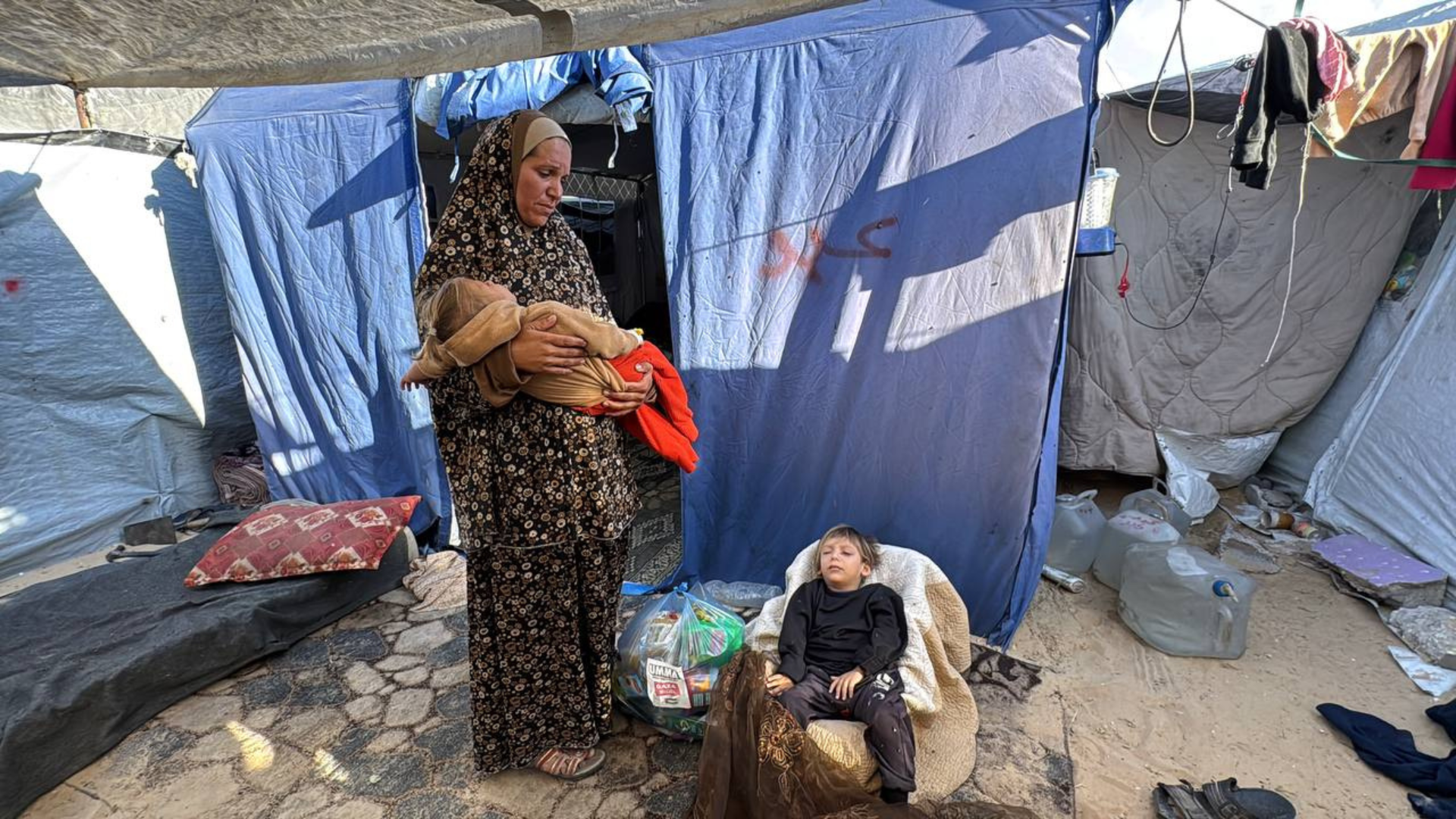
Places affected by war, famine, and displacement need immediate support.
👉 For example:
https://www.ummafoundation.org/campaigns
These areas often lack food, clean water, and medical care — making your Sadaqah life-saving.
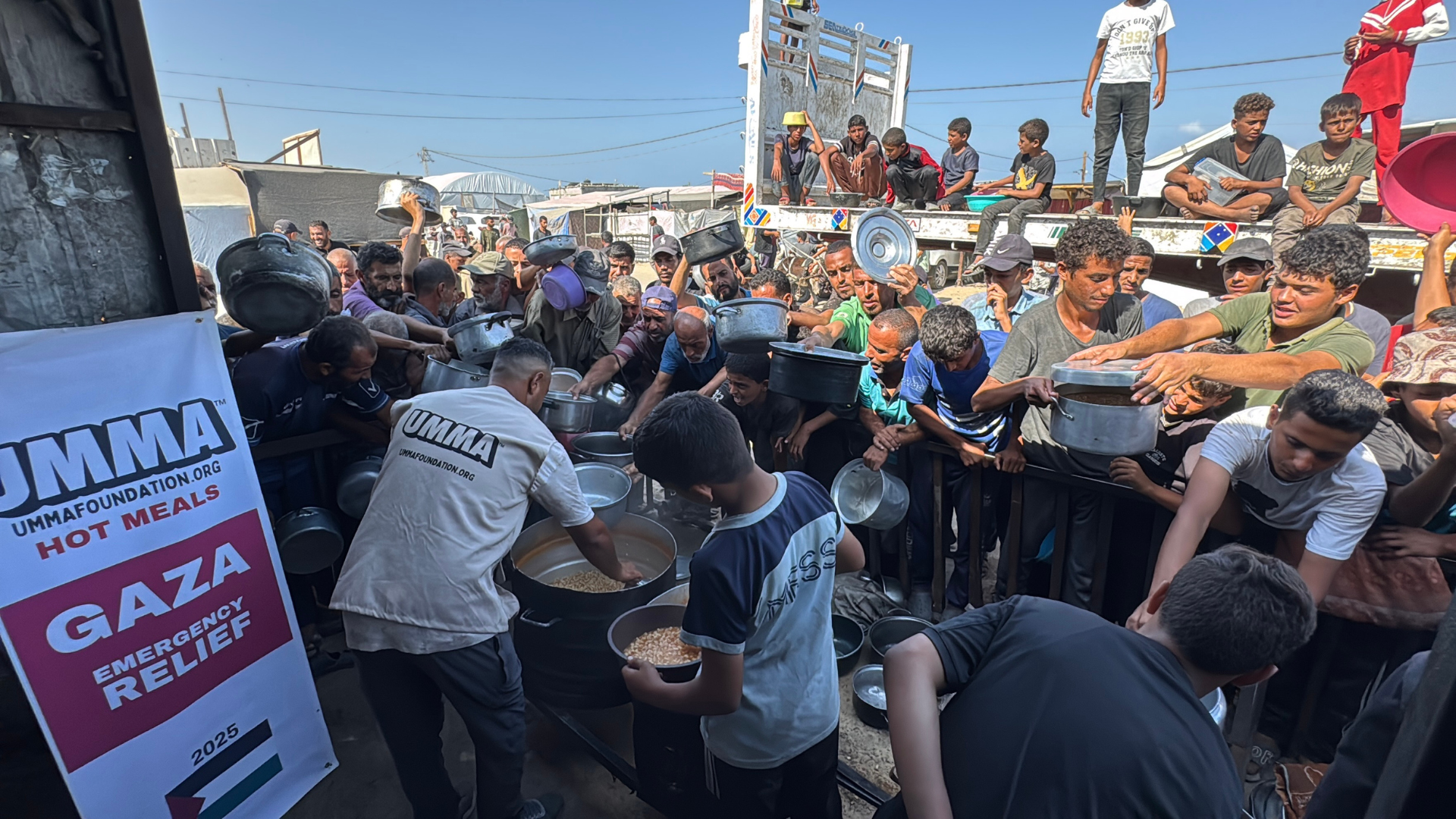
2. Food Distribution Programs
Hunger is one of the most urgent global issues.
Providing food:
- Delivers immediate relief
- Has direct impact
- Is highly rewarding in Islam
3. Medical Aid
Many families cannot afford basic healthcare.
Your Sadaqah can:
- Fund life-saving treatments
- Provide essential medicine
- Support children in critical condition
4. Sustainable Projects (BEST LONG-TERM IMPACT)
If you want ongoing rewards, invest in:
- Water wells
- Agriculture (like farms)
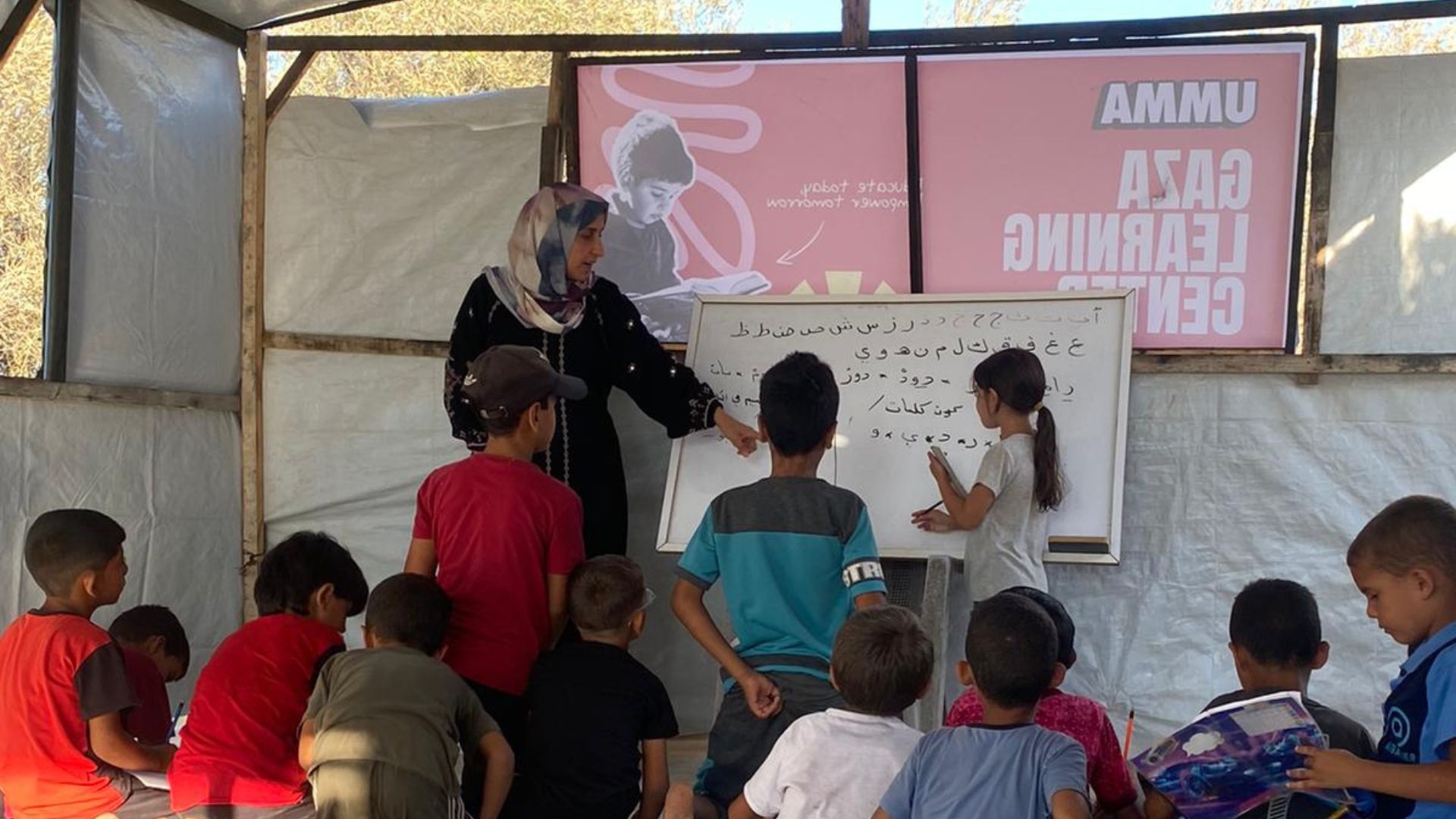
- Education programs
👉 Example:
https://www.ummafoundation.org/
These are forms of Sadaqah Jariyah — meaning your reward continues for years.
What Is the 3 Biggest Sin in Islam?
The three major sins often referenced in Islamic teachings are:
- Shirk (associating partners with Allah)
- Taking innocent life
- Disobeying parents
While this may seem unrelated, Sadaqah plays a powerful role in seeking forgiveness and purification.
Giving regularly helps cleanse the heart and strengthen your connection with Allah.
Why Your Sadaqah Matters More Than You Think
Sadaqah is not just about giving money.
It is about:
- Saving lives
- Restoring dignity
- Supporting entire communities
A small act of charity can:
- Feed a family
- Provide clean water
- Change a child’s future
👉 Learn more about global humanitarian needs:
https://www.un.org/en/global-issues/ending-poverty
Final Thoughts
The best Sadaqah is not just about how much you give — but where and how you give it.
Focus on:
- Urgent needs
- Sustainable impact
- Trusted organizations
When done right, your Sadaqah becomes more than charity — it becomes a legacy.
Make Your Sadaqah Count Today
You have the opportunity to make a real difference.
👉 Support verified humanitarian efforts:
https://www.ummafoundation.org/
Every donation matters. Every act counts.