Zakat is not just a donation. It is a divine obligation—a pillar of Islam—and a powerful system designed by Allah to protect dignity, reduce hardship, and build a just society.
Yet one of the most common questions Muslims ask every year—especially as Ramadan approaches—is this:
“Who can receive zakat?”
It’s an important question. Because Zakat isn’t like general charity. You can’t give it to just anyone, and you can’t spend it on every good cause, even if the cause is noble. Zakat has clear rules, clear recipients, and a clear purpose.
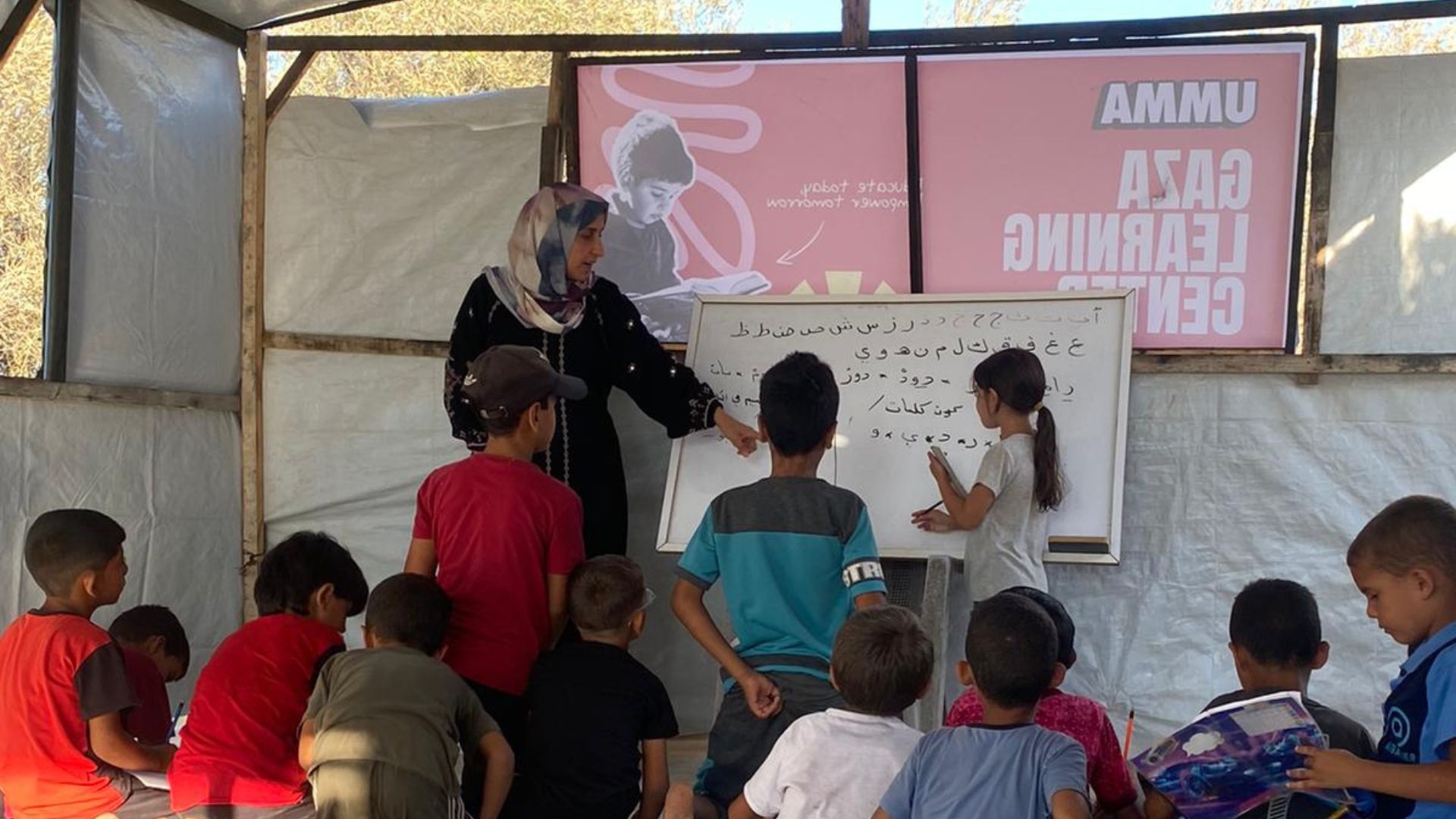
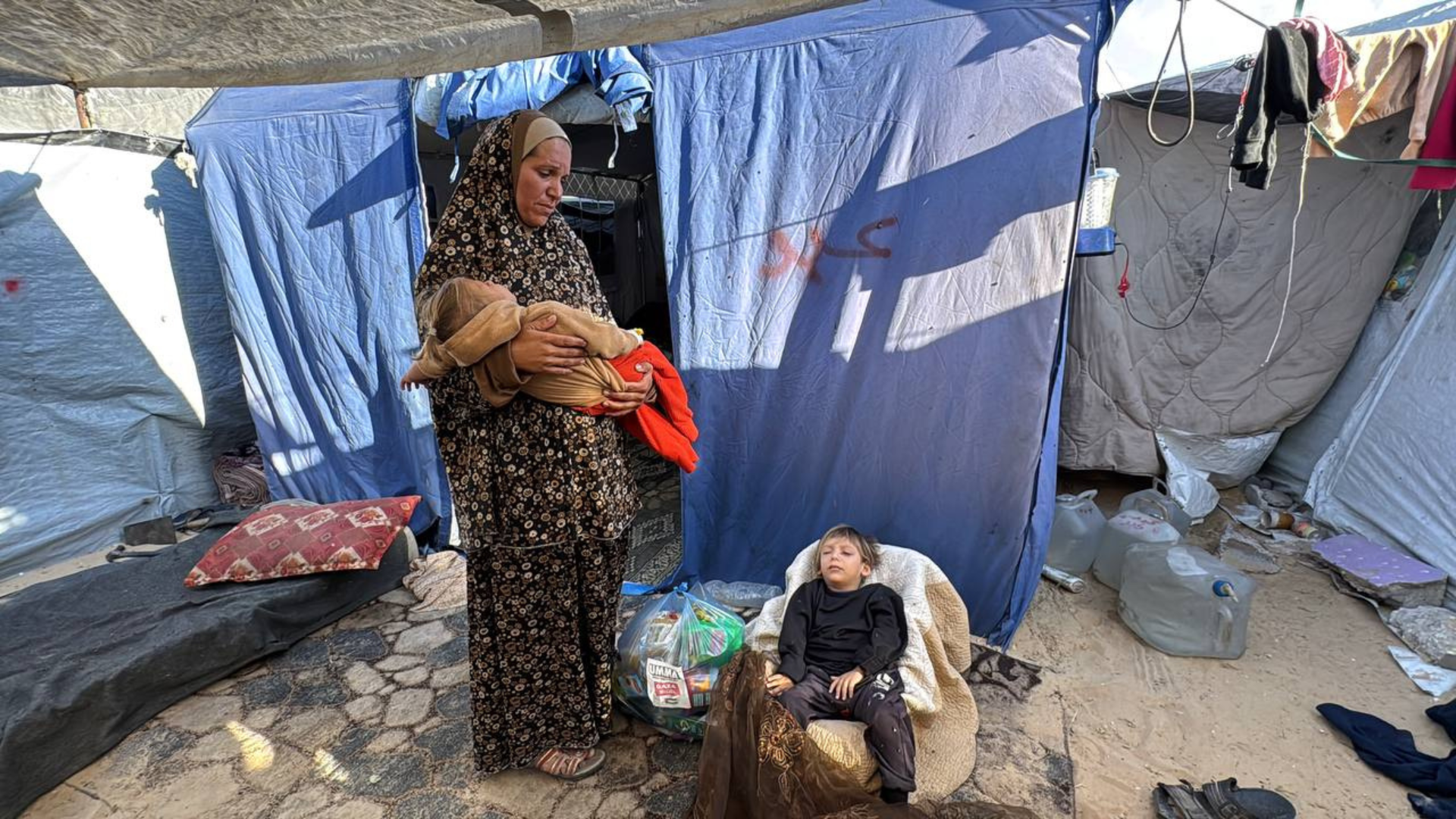
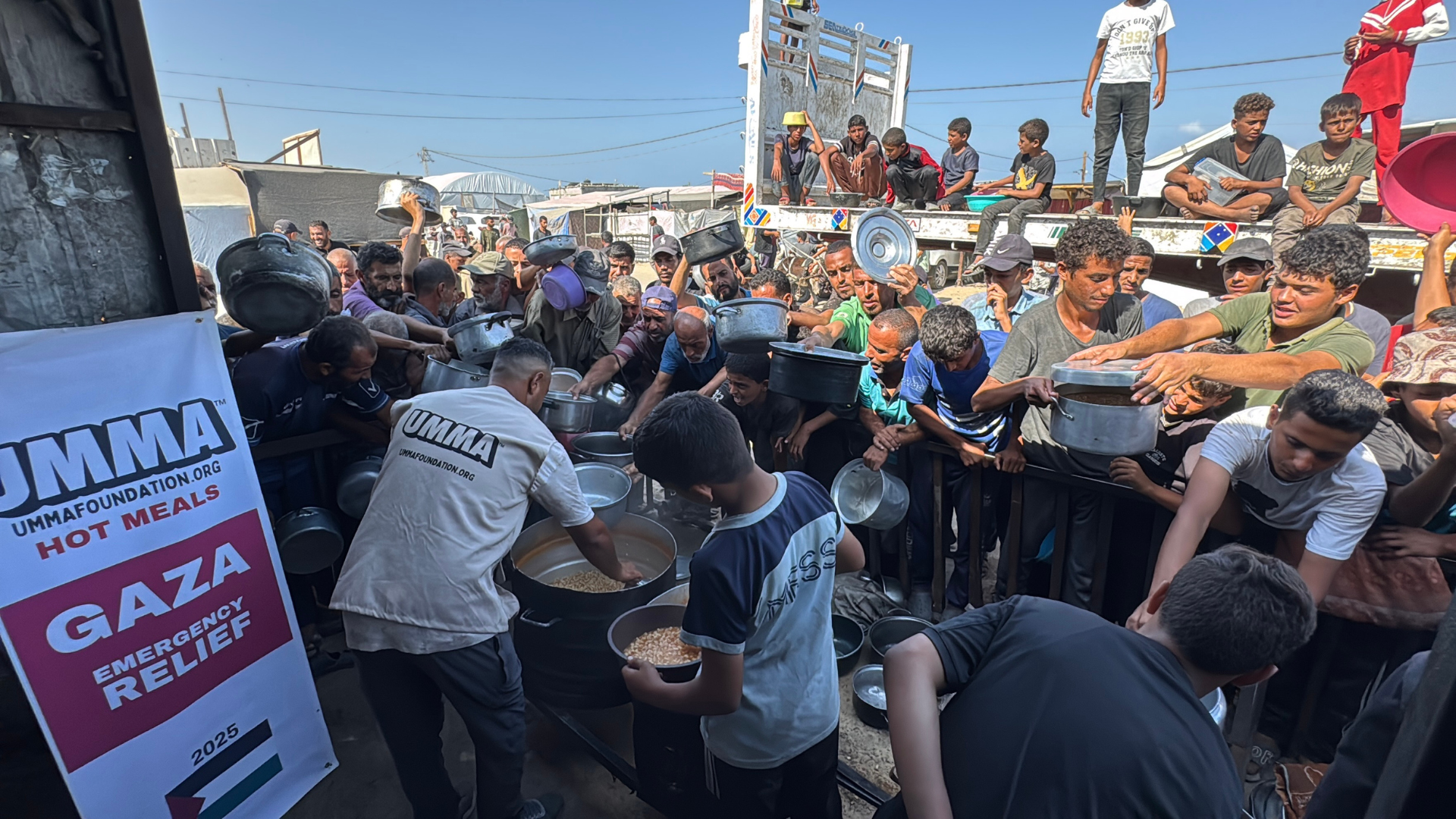
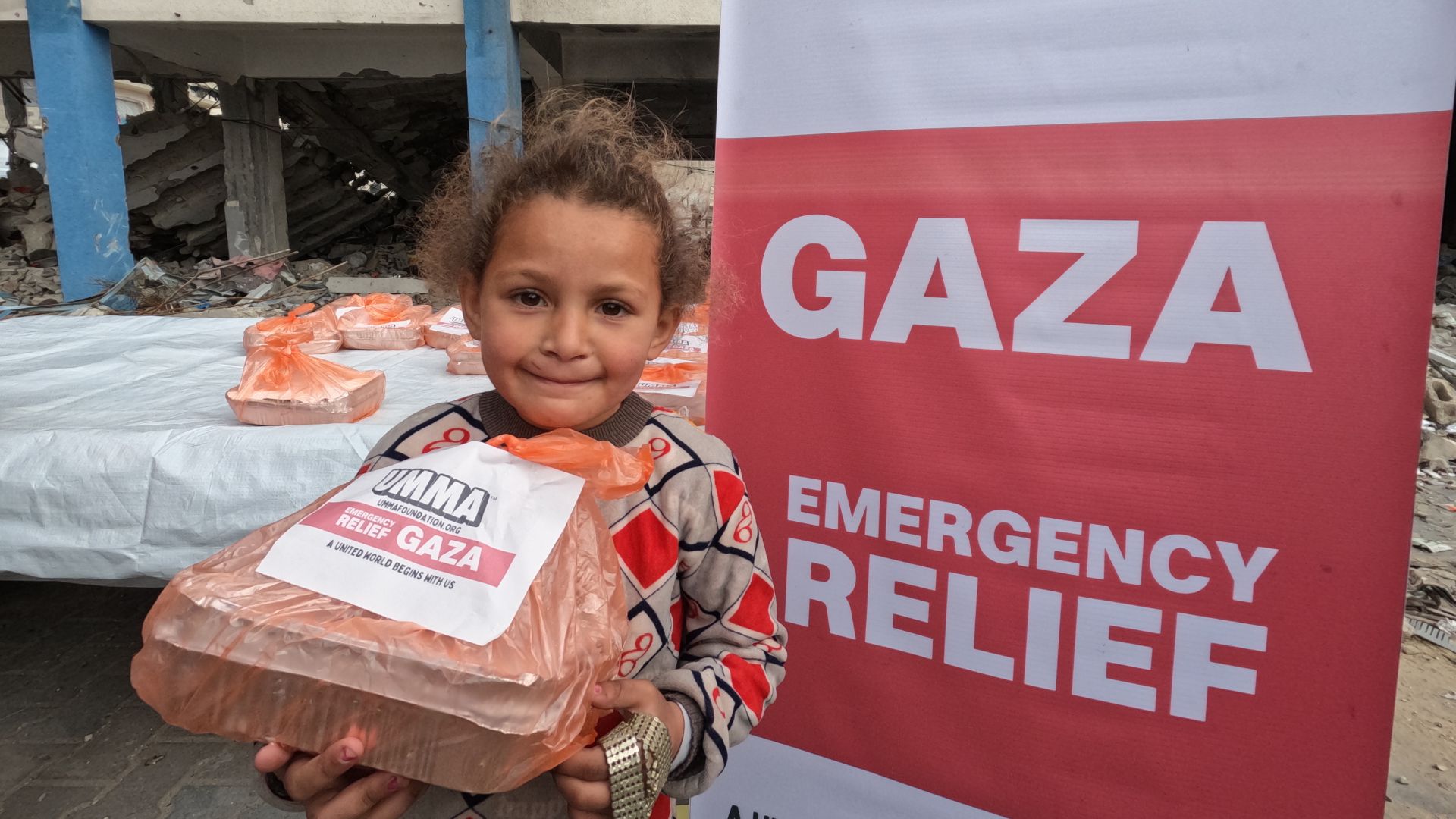
And in 2026, with humanitarian crises escalating, families displaced, and hunger growing worldwide, many donors want to give Zakat in a way that is both Islamically correct and urgently impactful.
This guide is written to help you give with confidence—faithfully, responsibly, and with the certainty that your Zakat is reaching those Allah intended.
Why It Matters to Give Zakat Correctly in 2026
In times of crisis, it’s natural to feel urgency. When you see children without food, families without shelter, or communities displaced by war, your heart wants to respond immediately.
But Zakat is not only about compassion. It is also about obedience to Allah’s command.
Allah does not leave the distribution of Zakat to opinion or guesswork. In the Qur’an, He explicitly names the eligible recipients in one verse:
“Zakat expenditures are only for the poor and for the needy…”
— Surah At-Tawbah (9:60)
👉 https://quran.com/9:60 Quran.com
That means when we give Zakat, we are not just donating—we are fulfilling a trust.
And when Zakat is given correctly, it becomes a form of worship that does more than relieve need. It creates stability, restores dignity, and strengthens entire communities.
The 8 Categories of People Who Can Receive Zakat (Qur’an 9:60)
The Qur’an lists eight categories—and scholars agree these are the only eligible categories for Zakat recipients.
Here they are, as outlined in Surah At-Tawbah (9:60):
👉 https://quran.com/9:60 Quran.com
✅ 1) The Poor (Al-Fuqara)
The poor are those who do not have enough to meet their basic needs.
They may have some income, but not enough for:
- food
- rent
- utilities
- clothing
- essential healthcare
A key point: Zakat is not based on appearance. Many poor people appear “okay” on the outside—but are overwhelmed by debt, rent, or hidden hardship.
✅ 2) The Needy (Al-Masakin)
The needy are those in hardship who have even less than the poor—or whose needs exceed their income severely.
Islamic Relief explains that eligibility often depends on whether someone’s remaining wealth falls below nisab (minimum threshold).
👉 https://islamic-relief.org/recipients-of-zakat/ Islamic Relief Worldwide
✅ 3) Zakat Administrators (Al-‘Amilina ‘Alayha)
These are individuals officially responsible for collecting and distributing Zakat.
This includes people who manage distribution systems, verification, and logistics—when their work is directly tied to Zakat distribution.
This category shows something important:
✅ Zakat recognizes that systems must exist for fair delivery
✅ It allows certain operational support only within strict rules
✅ 4) Those Whose Hearts Are To Be Reconciled (Al-Mu’allafatu Qulubuhum)
This category includes people who are:
- new to Islam and need support
- vulnerable to harm if unsupported
- part of a reconciliation effort that benefits the Muslim community
Scholars differ on the scope in modern times, but the core idea remains: Zakat can strengthen hearts and stabilize vulnerable transitions.
Yaqeen Institute explains the wisdom behind these categories and how they support society holistically.
👉 https://yaqeen.org/who-is-eligible-to-pay-zakat/ Yaqeen Welfare Foundation
✅ 5) Freeing Captives / Slaves (Fi Al-Riqab)
Historically, this referred to freeing enslaved people.
In modern contexts, many scholars include:
- unjust imprisonment
- human trafficking victims
- oppressed individuals needing legal rescue
It reflects Islam’s commitment to liberation and human dignity.
✅ 6) Those in Debt (Al-Gharimin)
This category includes people crushed by debt for halal reasons—not because of reckless spending.
Examples include:
- medical debt
- rent debt after job loss
- debt from supporting family
- debt from fleeing conflict or disaster
This category is deeply compassionate. It recognizes that debt can trap a person for years, even when they are working hard.
✅ 7) In the Path of Allah (Fi Sabilillah)
This is one of the most debated categories.
Classically, it referred to legitimate defense and struggle for the cause of Allah.
Many contemporary scholars allow it to include:
- dawah and Islamic education
- humanitarian causes that protect Muslim communities
- emergency relief when it fits eligible categories
However, scholars also emphasize that Zakat must still reach eligible individuals and must transfer ownership (tamleek)—not simply fund institutions.
IslamQA provides a detailed breakdown of this category and the overall Zakat recipients.
👉 https://islamqa.info/en/answers/46209/categories-of-zakah-recipients Islam-QA
✅ 8) The Stranded Traveler (Ibn Al-Sabil)
This refers to someone traveling who:
- has no access to money
- is stranded due to crisis, theft, or displacement
Even if they are wealthy at home, they can receive Zakat because in that moment, they are in need.
Who Cannot Receive Zakat? (Important Rules Many People Miss)
Giving Zakat correctly also means knowing who is not eligible.
❌ You cannot give Zakat to:
- your parents, grandparents
- your children or grandchildren
- your spouse
- wealthy individuals above nisab
- those who use wealth for haram causes
- (according to many scholars) descendants of the Prophet ﷺ (Banu Hashim)
Islamic Relief clearly states that immediate family members like spouse, children, and parents cannot receive zakat.
👉 https://islamic-relief.org/recipients-of-zakat/ Islamic Relief Worldwide
✅ However: You can give zakat to siblings, cousins, aunts/uncles, and extended relatives if eligible.
Can Zakat Be Given to Refugees and War Victims?
Yes—if they fall into one of the eligible categories, most commonly:
- poor / needy
- in debt
- stranded travelers
- captives / oppressed
Refugees often qualify because displacement strips people of:
- income
- shelter
- security
- access to food and healthcare
Many Zakat institutions specifically serve refugee and displaced populations through eligibility screening.
Zakat.org explains Zakat distribution through the lens of Qur’an 9:60 and community need.
👉 https://www.zakat.org/who-can-receive-zakat Zakat Foundation of America
Can Zakat Be Given for Gaza, Sudan, or Yemen?
This is one of the biggest questions in 2025–2026.
✅ The answer is: Yes, as long as Zakat reaches eligible individuals.
In practice, most families affected by war and blockade qualify under:
- poor (fuqara)
- needy (masakin)
- debtors (gharimin)
- stranded/displaced (ibn al-sabil)
This is why humanitarian organizations often distribute Zakat as:
- food packages
- cash assistance
- medical aid funds
- winter kits
- shelter assistance
As long as the Zakat results in direct benefit and ownership to eligible people, it is valid.
How Umma Foundation Ensures Zakat Is Distributed Correctly
Many donors worry:
“Will my Zakat truly reach eligible recipients?”
“Will it be handled transparently?”
“Will it be used according to Islamic rules?”
At Umma Foundation, Zakat distribution is structured around:
✅ verified eligibility (poverty and nisab thresholds)
✅ local partner screening
✅ documented delivery
✅ culturally dignified distribution
✅ transparency commitments
Umma prioritizes communities where Zakat is urgently needed—families facing:
- displacement
- hunger
- war injury
- extreme poverty
👉 Support Umma’s Campaigns (insert working URL)
👉 Give Monthly (insert working URL)
👉 View Financial Disclosure (insert working URL)
This ensures Zakat isn’t only given quickly—it’s given correctly.
What Makes Zakat Different From Sadaqah?
Many donors confuse Zakat and Sadaqah.
Here’s the simple difference:
✅ Zakat:
- obligatory (if you meet conditions)
- must go to the 8 categories
- must be calculated precisely
- must transfer ownership to eligible recipients
✅ Sadaqah:
- voluntary
- can be given to anyone
- can support mosques, schools, water wells, etc.
- can be given at any amount, anytime
So if your goal is to build a masjid or fund a school building, that’s often sadaqah, not zakat.
But if your goal is to relieve poverty, hunger, displacement, and urgent hardship—Zakat is designed for that.
How to Give Zakat With Confidence in 2026
Here are practical steps:
✅ 1) Know Your Zakat obligation
Use a calculator and verify nisab.
✅ 2) Choose recipients from the 8 categories
If giving through an NGO, ensure they screen eligibility.
✅ 3) Prioritize the most urgent categories
Scholars generally prioritize:
- poor / needy
- debtors
- displaced people
✅ 4) Give through trusted organizations with transparency
Look for:
- documented delivery
- clear financial reporting
- field partnerships
This is where trust matters most.
FAQs (People Also Ask)
Who can receive zakat according to the Qur’an?
The Qur’an lists eight categories in Surah At-Tawbah (9:60): poor, needy, zakat administrators, those whose hearts are reconciled, freeing captives, debtors, in the path of Allah, and stranded travelers.
👉 https://quran.com/9:60 Quran.com
Can Zakat be given to family members?
You cannot give zakat to your spouse, parents, grandparents, children, or grandchildren. But you may give zakat to eligible siblings, cousins, and extended relatives.
👉 https://islamic-relief.org/recipients-of-zakat/ Islamic Relief Worldwide
Can Zakat be given to Gaza or refugees?
Yes—if recipients qualify under the Zakat categories (typically poor, needy, displaced, or in debt). Many refugees and war-affected families qualify under Qur’an 9:60.
👉 https://www.zakat.org/who-can-receive-zakat Zakat Foundation of America
Conclusion: Zakat Is Mercy With Structure
Zakat is one of the most beautiful systems in Islam because it blends:
- compassion with rules
- generosity with accountability
- worship with social justice
When you give Zakat correctly, you don’t just fulfill an obligation—you participate in Allah’s design for protecting the vulnerable.
In 2026, millions are facing hunger, displacement, and hardship. Your Zakat can become a lifeline—if it is guided by the Qur’an, distributed with dignity, and delivered through trustworthy systems.
👉 Support Umma’s campaigns (insert working URL)
🤝 Give Monthly (insert working URL)
📖 Learn about transparency (insert working URL)
Because Zakat is not only charity.
It is worship that rebuilds lives.