When a crisis hits—war, famine, displacement, natural disaster—most people don’t hesitate to help. They click “donate,” share a fundraiser, or respond to an urgent message.
But there’s a painful truth many donors learn too late:
Scammers know generosity spikes during emergencies.
Fake charities, copycat websites, and fraudulent fundraisers appear overnight—especially when tragedy dominates the headlines. That’s why learning how to check if a charity is legit is one of the most important things you can do before giving.
This 2026 guide will walk you through a simple, reliable verification checklist. It takes 5 minutes, requires no special tools, and helps ensure your donation reaches the people you’re trying to help—not someone exploiting your compassion.
Why You Should Always Check If a Charity Is Legit
Before you donate, it helps to understand why verification matters—especially now.
Charity scams are increasing
The Federal Trade Commission (FTC) warns that scammers often pretend to be charities to trick people into donating, especially during disasters and global crises. Consumer Advice+1
Some charities are real… but still not trustworthy
A charity can be legally registered and still:
- spend most donations on overhead
- provide little proof of impact
- lack transparency or accountability
Good charities welcome verification
Legitimate charities don’t fear questions. In fact, they often provide financial reports, registration details, and program updates because transparency builds trust.
So if you’re asking, “How do I know a charity is legit?” — that’s not skepticism.
That’s responsible giving.
7 Red Flags That a Charity Might Be Fake
Before you do any deep research, start with common warning signs.
If you notice two or more of these, pause before donating:
- No EIN listed anywhere (tax ID number)
- No website, or only social media pages
- High pressure tactics (“Donate now or people will die”)
- No physical address, phone number, or contact info
- Vague mission statements with no clear programs
- No financial reports or transparency page
- A name that sounds like another charity (copycat branding)
The FTC specifically warns about pressure tactics and emotional manipulation used to rush donors. Consumer Advice+1
✅ If something feels off, don’t ignore it. Fraudsters rely on speed and emotion.
How to Check If a Charity Is Legit in 5 Minutes
This is the core checklist. If you do these five steps, you will avoid most scams and identify most untrustworthy organizations.
Step 1 — Confirm the Charity’s EIN (Tax ID Number)
An EIN (Employer Identification Number) is like a charity’s ID. Most U.S.-registered nonprofits have one.
✅ Where to find it:
- Footer of the charity website
- Donation page
- Financial disclosure or “About” page
- Annual report or Form 990 link
If a charity does not list its EIN anywhere, that’s a red flag. Some organizations may be international and operate differently, but legitimate U.S. nonprofits should be able to provide it.
Step 2 — Verify Tax-Exempt Status with the IRS
The best and most authoritative place to verify a U.S. charity is the IRS.
Use the IRS Tax Exempt Organization Search (TEOS) tool:
👉 https://www.irs.gov/charities-non-profits/tax-exempt-organization-search IRS
✅ What to look for:
- Is the charity listed?
- Is its tax-exempt status active?
- Is it eligible for tax-deductible donations?
- Does it have recent filings?
If it’s not listed—or shows “revoked”—don’t donate until you verify why.
Step 3 — Check the Charity on GuideStar (Candid)
GuideStar is one of the most trusted nonprofit data platforms. It allows donors to look up a charity’s profile, filings, mission, and credibility signals.
Use the free search tool:
👉 https://www.guidestar.org/search GuideStar
Candid also provides a dedicated page for verifying nonprofits and conducting due diligence.
👉 https://candid.org/candid-search/verify-nonprofits/ Candid
✅ What to look for:
- Basic organizational details (name, EIN, address)
- IRS filings and reporting history
- Consistency in mission and programs
- Signs of transparency (documents uploaded, descriptions maintained)
Tip: A charity may not be “highly rated,” but it should still show a legitimate footprint.
Step 4 — Review Their Financial Transparency
Financial transparency is not about perfection—it’s about honesty and accountability.
A legitimate charity should make it easy to find:
- annual reports
- program breakdowns
- audited financials (if available)
- a clear description of how donations are used
The IRS TEOS tool also provides access to certain filings, including Form 990 returns. IRS+1
✅ Good signs:
- a Financial Disclosure page
- reports updated within 12–18 months
- clear program categories (food, medical, education, etc.)
- leadership names and contact info
Step 5 — Confirm Real Impact Evidence
Real impact doesn’t always mean flashy content. But legitimate charities usually provide:
- consistent program updates
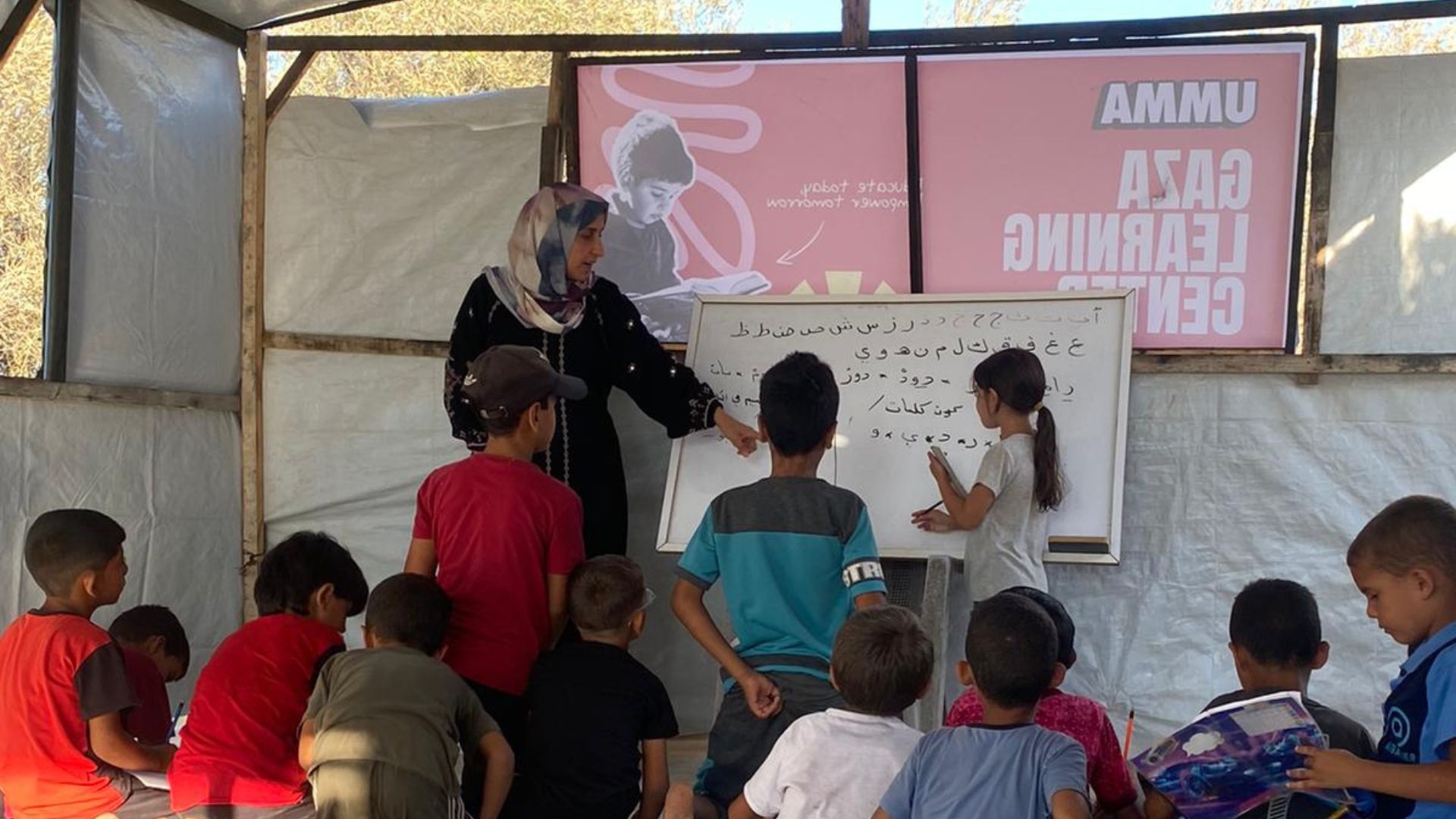
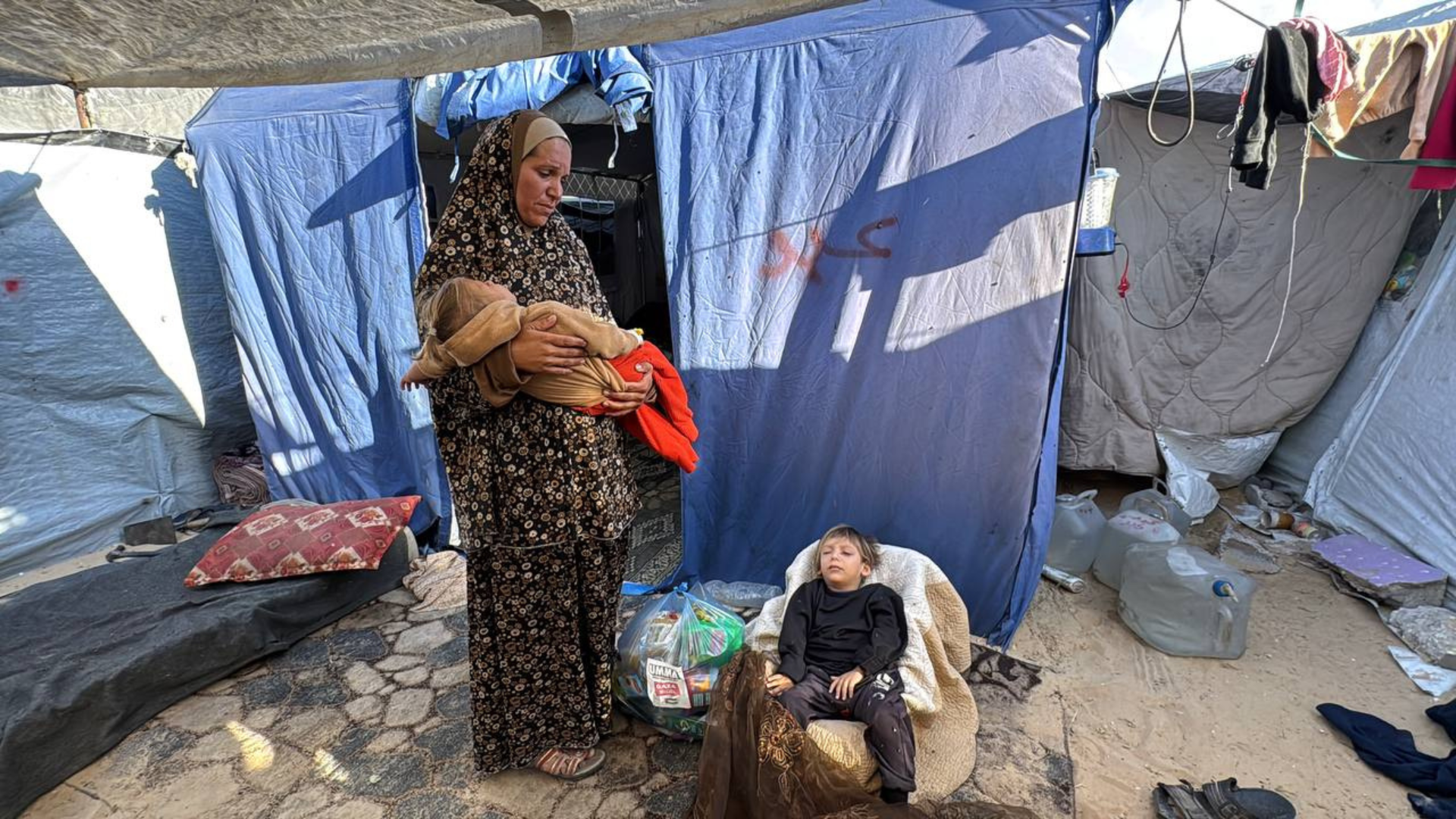
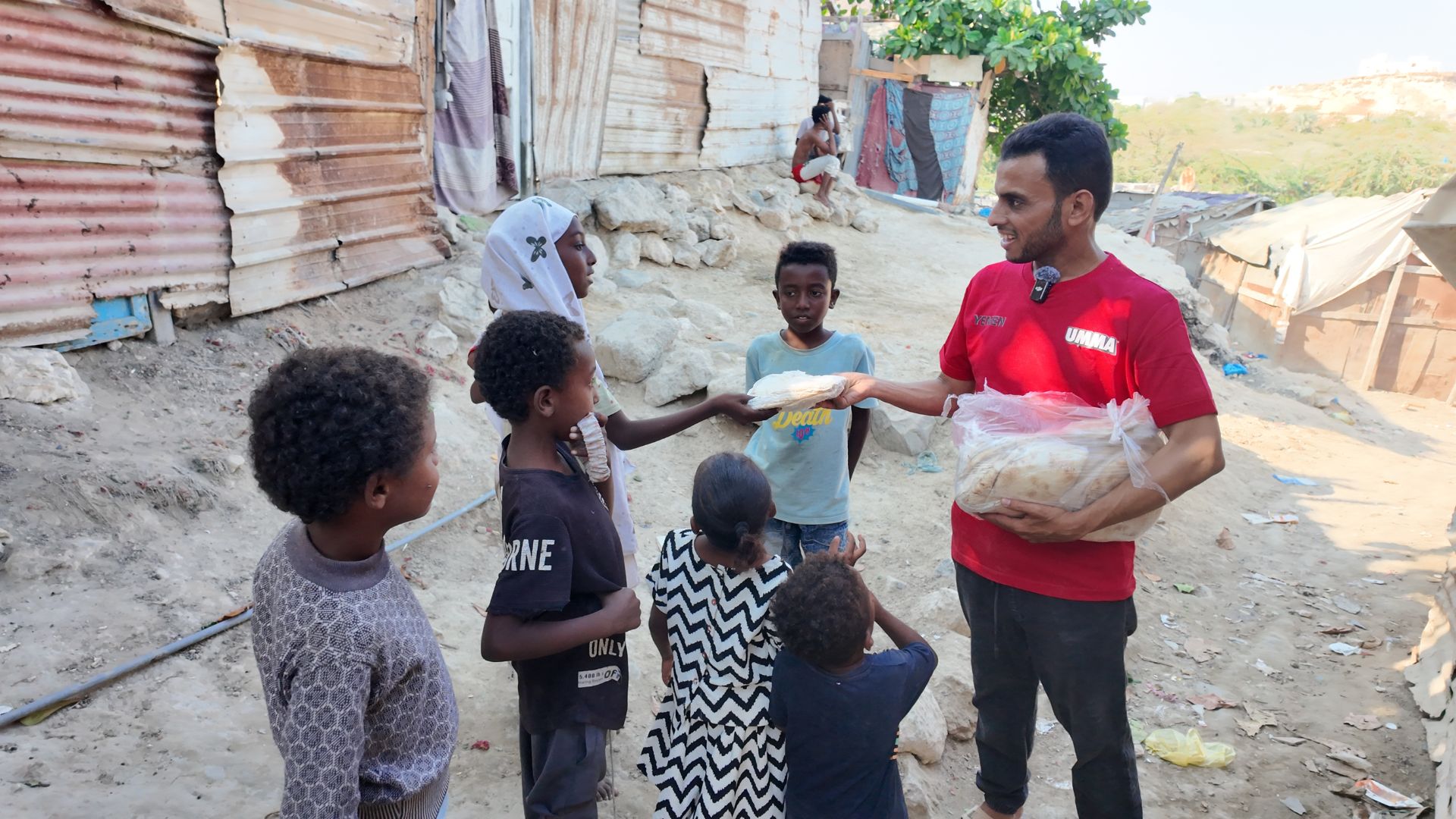
- field photos and videos (not just stock imagery)
- reports on what was delivered and where
- partnerships with local teams or verified institutions
✅ Ask yourself:
- Can I find evidence of recent work?
- Do the stories match the mission?
- Do they explain where and how aid is delivered?
If the organization only shows dramatic images with no specifics, that may be a red flag.
How to Verify a Charity on Facebook, PayPal, and GoFundMe
Many donations happen through platforms now. Verification looks different, but it’s still possible.
How to Verify a Charity on Facebook
Facebook fundraisers can be legitimate, but you still need to check:
✅ What to look for:
- Is the page verified?
- Is it linked to an official website?
- Does the charity name match IRS records?
- Are fundraising tools enabled (some require nonprofit verification)?
If the fundraiser is run by a personal account, ask:
- who receives the money?
- how will it be delivered?
- can they show proof?
How to Get a Charity Verified on PayPal
PayPal has programs like PayPal Giving Fund and nonprofit verification processes in some regions.
✅ What to look for:
- official charity PayPal account
- verified nonprofit status indicators
- matching legal name and EIN
If a PayPal donation link directs to a personal account instead of an organization, be cautious.
Is It Safe to Donate Through GoFundMe?
GoFundMe can help individuals quickly—but it can also be exploited.
Before donating:
✅ check organizer identity
✅ read updates and proof of distribution
✅ verify beneficiary information
✅ look for receipts or post-delivery reports
If an organizer refuses to share any proof, do not donate.
Legit Doesn’t Always Mean Trustworthy — Here’s What to Look For
Even if a charity passes legal checks, you still want to evaluate trustworthiness.
Signs a charity is trustworthy:
- clear mission and realistic claims
- transparent leadership and contact information
- updated financial disclosure or annual reports
- field updates and documented impact
- ethical storytelling (no exploitation)
- consistent donor communication
Signs a charity may be questionable:
- no reporting or outdated reporting
- vague impact (“we help many people”)
- heavy emotional manipulation, no details
- unclear or hidden leadership
- no verifiable partnerships
A good charity doesn’t just ask for trust.
It earns it.
What to Do If You Think a Charity Is a Scam
If you suspect fraud, take action quickly.
1) Stop the donation immediately
If possible, cancel the transaction.
2) Report the scam
The FTC recommends reporting scams through their official reporting tool. Consumer Advice+1
✅ Report here:
👉 https://reportfraud.ftc.gov/
3) Report to your state charity regulator
The FTC also recommends reporting to your state charity regulator (usually found via NASCO). Consumer Advice
4) Report to the platform
If it happened on Facebook, GoFundMe, Instagram, or PayPal—report it there too.
5) Notify your bank or payment provider
Banks and card companies can sometimes reverse fraudulent transactions.
How Umma Foundation Protects Donors and Delivers Aid Transparently
At Umma Foundation, transparency isn’t a branding slogan. It’s part of the trust we owe donors—and part of the amanah (responsibility) we carry.
Umma’s accountability standards include:
✅ clear financial disclosure
✅ documented aid delivery
✅ local partnerships and verified distribution systems
✅ ethical storytelling and donor stewardship
✅ ongoing updates for supported campaigns
Internal links (insert your correct working URLs):
👉 View Financial Disclosure (insert URL)
👉 Explore Active Campaigns (insert URL)
👉 Give Monthly (insert URL)
When donors ask, “How do I check if a charity is legit?” we want them to feel confident that Umma can be verified through the same public tools and transparency standards in this guide.
Quick Checklist: How to Check If a Charity Is Legit
Use this list before donating:
✅ Find the charity’s EIN
✅ Confirm status using the IRS Tax Exempt Search Tool IRS
✅ Look them up on GuideStar/Candid GuideStar+1
✅ Review financial transparency (reports, Form 990) IRS
✅ Look for consistent proof of impact
✅ Check social media fundraisers carefully
✅ Watch for pressure tactics and red flags Consumer Advice+1
This checklist alone will protect you from most scams.
FAQs (People Also Ask)
How do I know if a charity is real?
You can check if a charity is real by confirming its EIN, verifying its tax-exempt status through the IRS, reviewing its nonprofit profile on GuideStar, and checking whether it provides transparent financial reports and documented impact. IRS+1
How do I check if a charity is registered?
Use the IRS Tax Exempt Organization Search tool to confirm a charity’s official registration and tax-exempt status. Then cross-check it on GuideStar/Candid for additional verification. IRS+1
How do I verify a charity’s EIN number?
Search the EIN using the IRS TEOS tool or look the organization up on GuideStar. The EIN should match the charity’s legal name and registration details. IRS+1
What are red flags for charity scams?
The FTC warns that scammers may pressure you to donate quickly, refuse to give details, request unusual payment methods, or impersonate well-known charities. Consumer Advice+1
Is it safe to donate through Facebook or GoFundMe?
It can be safe, but you should verify the organizer, confirm where the money is going, and ensure the charity or beneficiary is legitimate. If you can’t verify it, donate directly through a verified nonprofit website instead. Consumer Advice+1
Conclusion: Giving Safely Protects the People You Want to Help
Your intention to give is valuable. But your donation only becomes a lifeline when it reaches the right hands.
In 2026, generosity is being tested—not because people don’t want to help, but because trust is harder to navigate online.
Learning how to check if a charity is legit isn’t a barrier to compassion.
It’s how you protect your compassion.
When you verify charities, you help ensure that real humanitarian work continues—and that the people suffering in crises receive what was intended for them.
Ready to give safely and make a real impact?
👉 Explore Umma’s verified humanitarian work
https://www.ummafoundation.org/
🤝 Give Monthly to sustain life-saving aid
https://www.ummafoundation.org/?form=FUNLFLEDLRD
📖 Read Umma’s Financial Disclosure
https://www.ummafoundation.org/disclosure/financial-disclosure