Zakat is one of the most important acts of worship in Islam.
But every year, many Muslims ask the same question:
Who is actually eligible to receive Zakat?
Giving Zakat correctly is not just about generosity—it’s about fulfilling a divine obligation. When Zakat reaches the right people, it becomes a powerful system of justice, helping families escape poverty, hunger, and hardship.
In this guide, we’ll break down Zakat eligibility, explain who qualifies, and show how your Zakat can make a real impact today.
What Is Zakat Eligibility?
Zakat eligibility refers to the specific groups of people who are allowed to receive Zakat according to Islamic law.
Unlike general charity (sadaqah), Zakat must be distributed only to those who meet clear criteria defined in the Qur’an.
Allah says:
“Zakat expenditures are only for the poor, the needy…”
(Qur’an 9:60)
This verse outlines the categories of people who qualify—ensuring that Zakat supports those who truly need it.
The 8 Categories of People Eligible for Zakat
To fully understand Zakat eligibility, we must look at the eight groups mentioned in the Qur’an.
1. The Poor (Al-Fuqara)
These are individuals who lack basic necessities such as food, clothing, and shelter.
They often:
- have little or no income
- struggle daily to survive
- depend on external support
Zakat helps them meet their most essential needs.
2. The Needy (Al-Masakin)
The needy may have some income, but it is not enough to sustain a decent standard of living.
Examples include:
- low-income workers
- widows or single parents
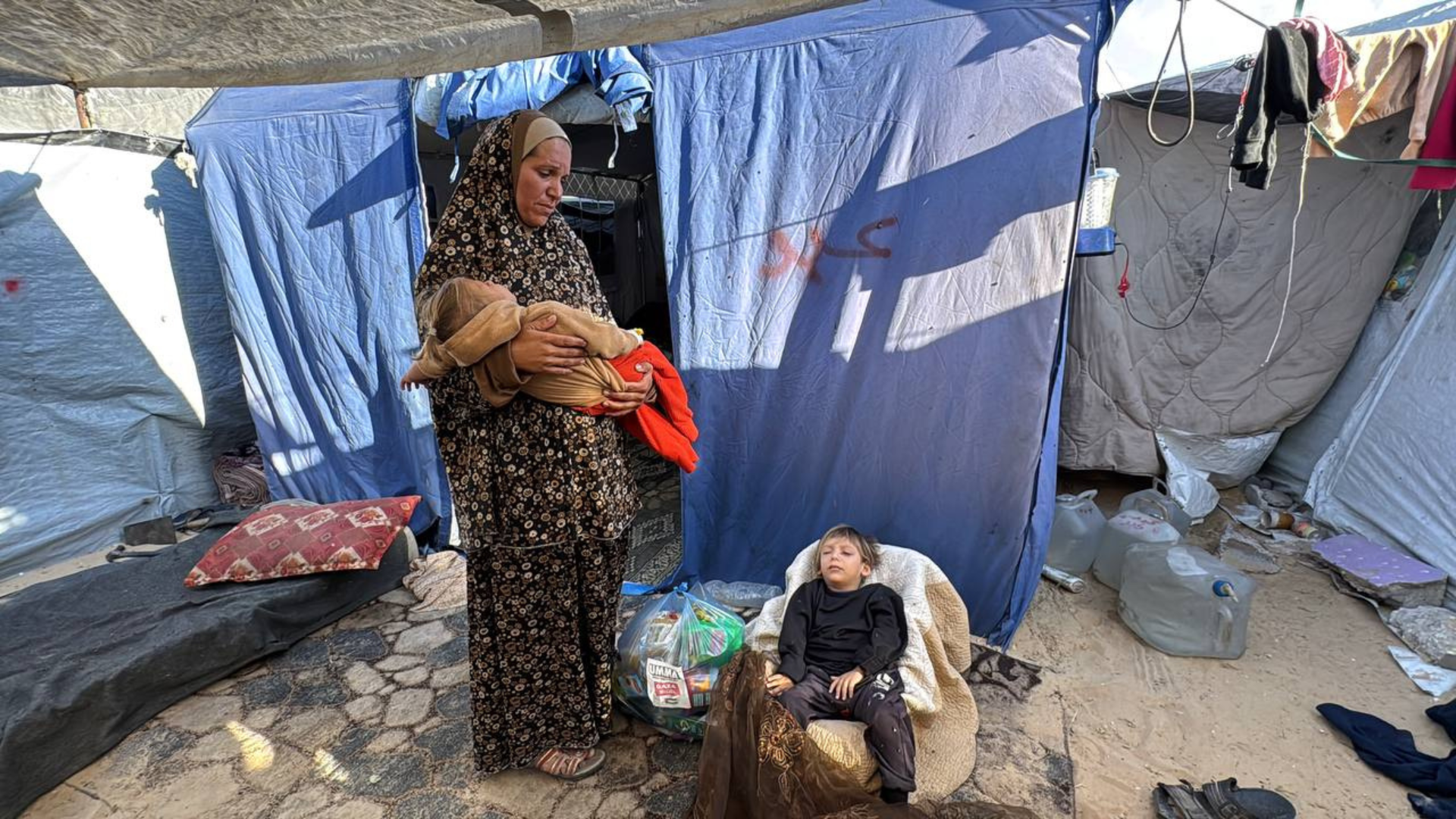
- displaced individuals
According to the UN Refugee Agency (UNHCR), millions of families remain displaced and unable to meet basic needs.
👉 https://www.unhcr.org/
3. Zakat Administrators
These are individuals responsible for collecting and distributing Zakat funds.
Their role ensures:
- proper management
- fair distribution
- accountability
This category exists to maintain the integrity of Zakat systems.
4. Those Whose Hearts Are to Be Reconciled
This refers to individuals who may:
- be new to Islam
- require support to strengthen their faith
- help promote unity and stability
Scholars differ in modern application, but the principle reflects compassion and social cohesion.
5. Those in Bondage or Oppression
Historically, this referred to freeing enslaved individuals.
Today, many scholars extend this to:
- victims of human trafficking
- unjustly detained individuals
- people trapped in exploitative conditions
Zakat can help restore dignity and freedom.
6. Those in Debt
Individuals overwhelmed by legitimate debt may qualify for Zakat.
This includes:
- families facing medical bills
- people who lost income due to crisis
- individuals unable to repay essential loans
Debt relief can help restore financial stability.
7. In the Cause of Allah (Fi Sabilillah)
This category includes efforts that serve the greater good of the Muslim community.
It can include:
- humanitarian aid
- community support initiatives
- crisis relief efforts
Organizations delivering aid to vulnerable populations often operate within this category.
8. The Stranded Traveler (Ibn al-Sabil)
A traveler who has lost access to resources and cannot return home qualifies for Zakat.
Today, this may include:
- refugees
- displaced individuals
- migrants in crisis situations
Can Refugees Receive Zakat?
Yes.
Refugees often fall under multiple categories of Zakat eligibility, including:
- the poor
- the needy
- the stranded traveler
This makes them among the most eligible recipients.
👉 Learn more:
Can Zakat Be Given to Refugees? (internal article opportunity)
Who Is NOT Eligible for Zakat?
Understanding who cannot receive Zakat is just as important.
Zakat should NOT be given to:
- wealthy individuals
- immediate family (parents, children, spouse)
- those who do not meet eligibility criteria
This ensures Zakat remains targeted and effective.
How Zakat Helps in Today’s Humanitarian Crises
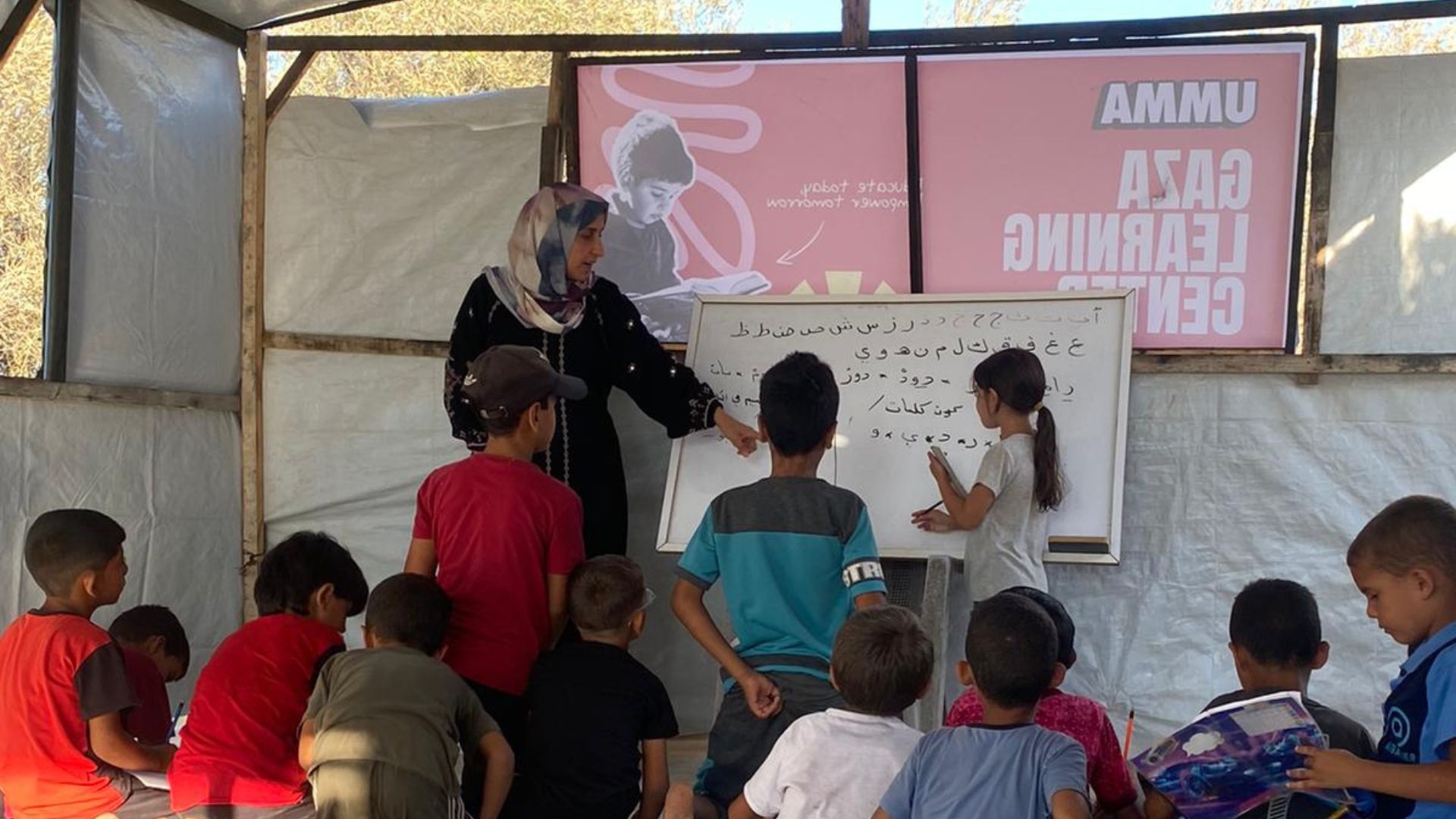
Zakat is not just a religious obligation—it is a lifeline.
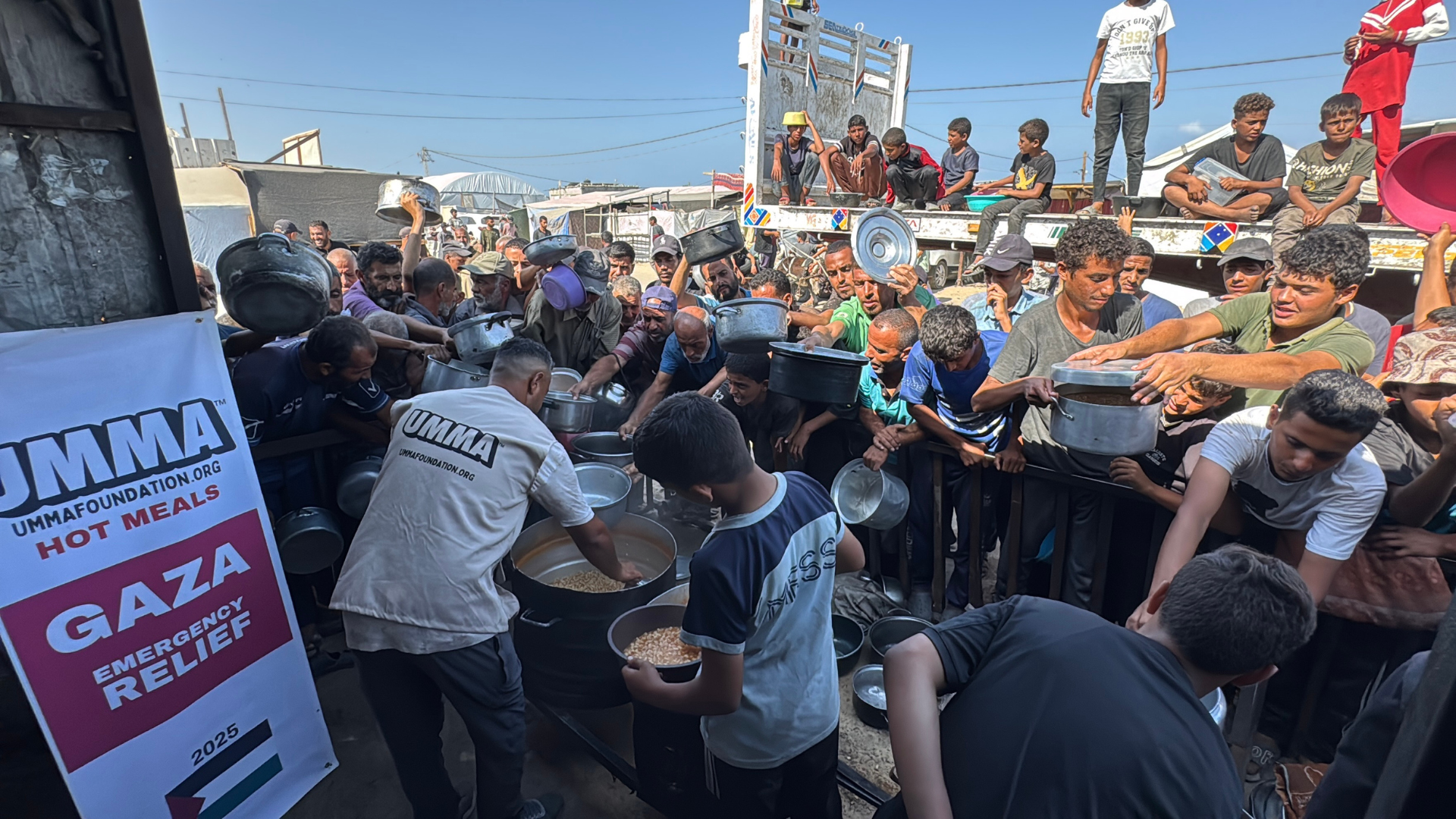
Today, it helps provide:
- food for families facing hunger
- medical care for children
- clean water for communities
- emergency relief in crisis zones
According to the World Food Programme, hunger continues to rise due to conflict and economic instability.
👉 https://www.wfp.org/
And humanitarian efforts coordinated by OCHA continue year-round to support vulnerable populations.
👉 https://www.unocha.org/
Zakat plays a key role in sustaining these efforts.
How Umma Foundation Ensures Proper Zakat Distribution
At Umma Foundation, Zakat is treated as a sacred trust.
We focus on:
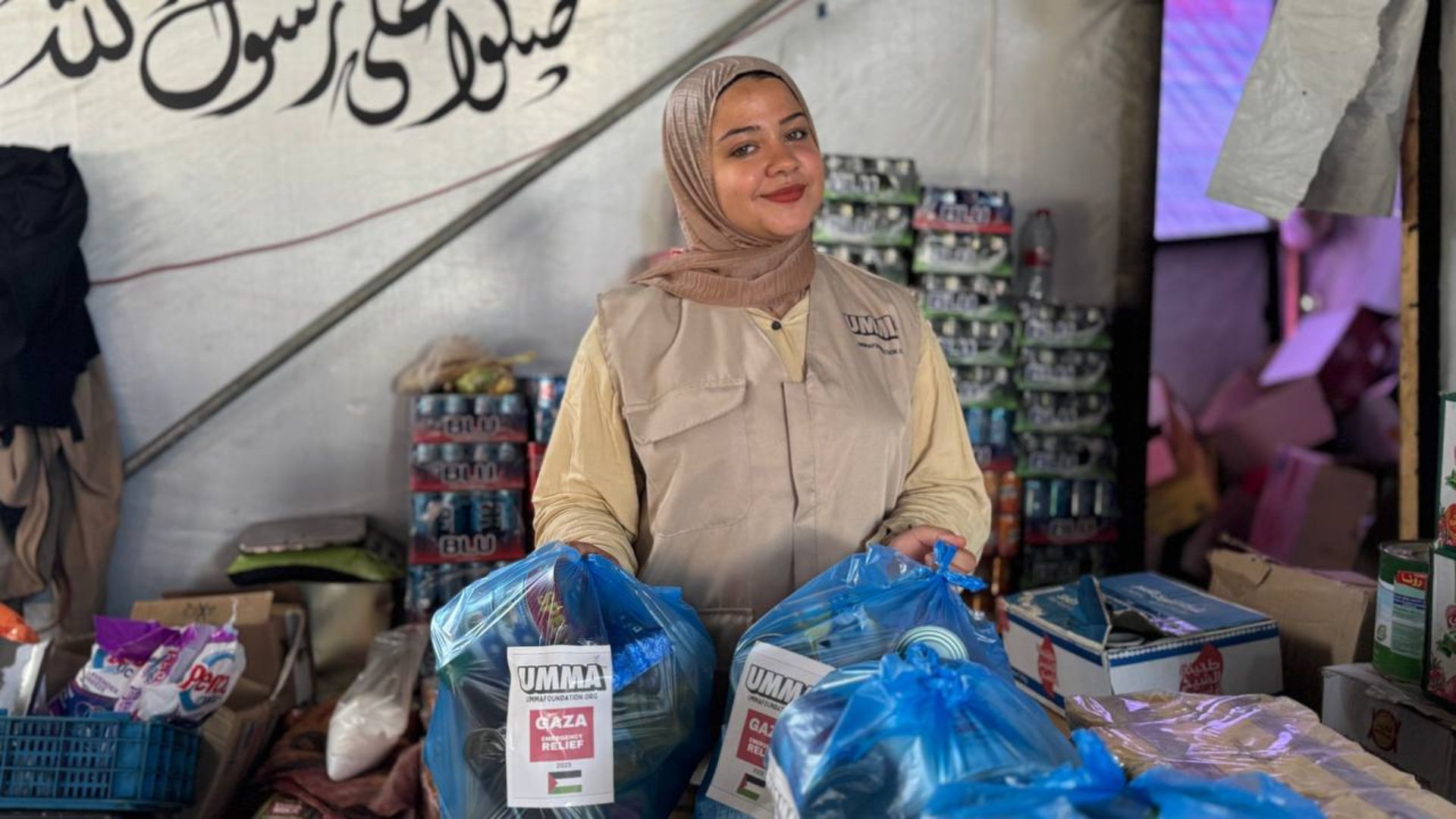
- distributing Zakat to eligible recipients
- supporting families in crisis
- maintaining transparency and accountability
- ensuring donations reach those in need
📖 Learn more through our Financial Disclosure
👉 https://www.ummafoundation.org/disclosure/financial-disclosure
Where Does Your Zakat Go?
If you’ve ever wondered how your Zakat is used:
👉 Read:
Where Does Zakat Go? Real Impact Explained (internal link opportunity)
Understanding this builds trust and ensures confidence in your giving.
How You Can Give Zakat Today
Giving Zakat through a trusted organization ensures your obligation is fulfilled correctly.
👉 Support Umma’s humanitarian campaigns
https://www.ummafoundation.org/
🤝 Give Monthly to sustain ongoing support
https://www.ummafoundation.org/?form=FUNLFLEDLRD
Even a single donation can help change a life.
FAQ: Zakat Eligibility
Who qualifies for Zakat?
Zakat is given to eight categories defined in the Qur’an, including the poor, needy, and those in hardship.
Can Zakat be given to refugees?
Yes. Refugees often qualify under multiple Zakat categories.
Can family members receive Zakat?
Certain relatives can receive Zakat if eligible, but not parents, children, or spouses.
Can Zakat be given to organizations?
Yes, as long as the organization distributes Zakat to eligible recipients.
How You Can Continue Your Charity After Ramadan
If you want to keep your Ramadan momentum alive, here are simple steps:
1. Set a Monthly Giving Habit
Even a small amount makes a difference.
2. Stay Connected to Causes
Follow updates and remain aware of global needs.
3. Give With Intention
Remember that charity is an act of worship—not just generosity.
4. Focus on Consistency Over Size
Small, regular donations can have greater long-term impact.
FAQ: Charity After Ramadan
Is charity after Ramadan still rewarded?
Yes. Charity is rewarded at all times, and consistent charity is especially beloved in Islam.
What is the best charity after Ramadan?
Sadaqah given consistently—such as monthly donations—is one of the most impactful forms.
Should I continue giving after Zakat?
Yes. Zakat fulfills an obligation, but sadaqah allows you to continue earning reward and helping others.
Can small donations really make a difference?
Absolutely. When given consistently, small donations can sustain entire programs and support families long-term.
Conclusion: Giving Zakat the Right Way
Understanding Zakat eligibility ensures your giving fulfills its true purpose.
Zakat is not just charity—it is:
- a system of justice
- a means of purification
- a way to support those in need
When given correctly, Zakat transforms lives.
👉 Join Umma’s Campaigns
https://www.ummafoundation.org/
🤝 Give Monthly
https://www.ummafoundation.org/?form=FUNLFLEDLRD
📖 Financial Disclosure
https://www.ummafoundation.org/disclosure/financial-disclosure
Your Zakat can be the difference between hardship and hope.