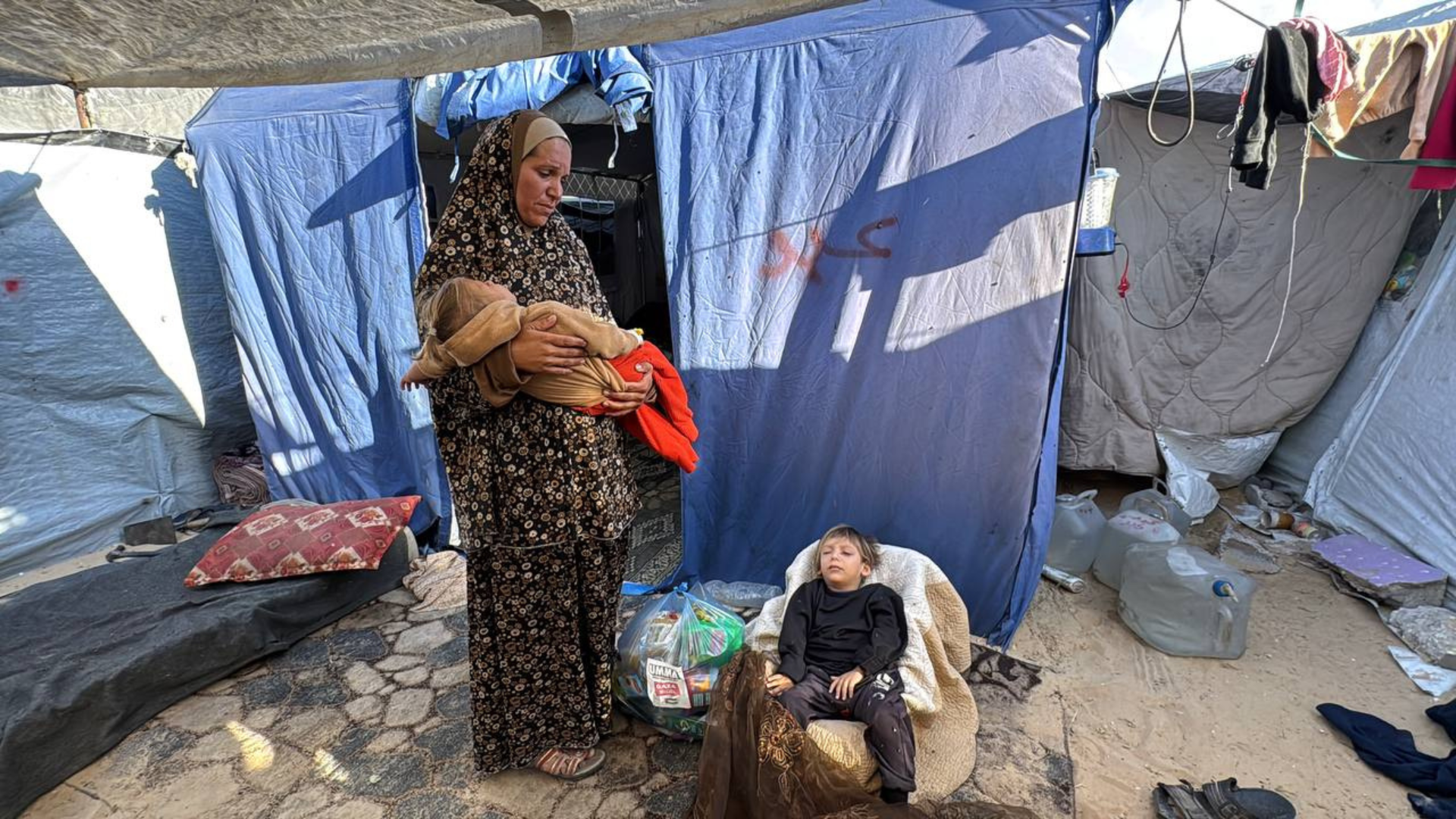
When war, displacement, or disaster strikes, schools are often among the first institutions to collapse. Classrooms turn into shelters. Teachers flee or are displaced themselves. Children—already traumatized—lose more than lessons. They lose safety, routine, identity, and protection.
In humanitarian crises, education is not a luxury. It is one of the strongest tools for child protection in emergencies. When schools break down, children become more vulnerable to exploitation, forced labor, early marriage, recruitment into armed groups, and long-term psychological harm.
Across conflict zones—from Gaza to Sudan to refugee settlements worldwide—Umma Foundation has seen firsthand how restoring learning spaces can mean the difference between survival and recovery.
Why Schools Are a Lifeline in Humanitarian Crises
In stable societies, schools are places of learning. In emergencies, they become something much more:
- Safe spaces away from violence and exploitation
- Access points for food, clean water, and psychosocial care
- Protective environments where children are monitored and supported
- Anchors of normalcy in otherwise chaotic lives
According to UNICEF, education programs in emergencies play a critical role in child protection by reducing exposure to abuse and neglect
👉 https://www.unicef.org/education/emergencies
When education systems collapse, children are exposed—often invisibly—to dangers that can permanently alter their futures.
The Global Scale of Education in Crisis
The numbers are staggering.
According to UNESCO, more than 222 million children and adolescents worldwide are affected by crises that disrupt access to education
👉 https://www.unesco.org/en/education/emergencies
Of these:
- 78 million are completely out of school
- 119 million are not achieving minimum learning standards
Meanwhile, UNICEF emergency education data shows that attacks on schools have tripled over the past decade, turning classrooms into frontline targets
👉 https://www.unicef.org/protection/children-and-armed-conflict
Without urgent intervention, these children risk becoming a lost generation—not due to lack of ability, but lack of protection.
What Happens to Children When Schools Break Down
When education disappears, risks multiply rapidly.
Children in emergencies face:
- Child labor as families struggle to survive
- Early and forced marriage, especially for girls
- Recruitment into armed groups
- Sexual exploitation and trafficking
- Severe psychosocial distress
Save the Children reports that prolonged absence from education significantly increases children’s vulnerability to abuse and long-term harm
👉 https://www.savethechildren.org/us/what-we-do/emergency-response
As one humanitarian educator shared:
“When a child stops going to school, they often disappear from every protection system meant to keep them safe.”
Psychosocial Support for Children in Conflict Zones
Education in emergencies must go beyond textbooks.
Children exposed to violence and displacement often suffer from:
- Chronic anxiety and fear
- Sleep disorders and nightmares
- Difficulty focusing or communicating
- Withdrawal or aggressive behavior
According to Save the Children, psychosocial support is essential for helping conflict-affected children recover emotionally
👉 https://www.savethechildren.org/us/what-we-do/health/mental-health
Umma Foundation integrates psychosocial support for conflict-affected children by pairing education with:
- Structured play and creative activities
- Trauma-informed teaching methods
- Peer support and emotional expression
- Faith-sensitive care that restores dignity and hope
One local teacher working with Umma partners explained:
“Learning gives children permission to feel safe again. It reminds them they still have a future.”
UNICEF Emergency Education and Global Protection Efforts
Globally, UNICEF emergency education programs focus on restoring learning as quickly as possible during crises by:
- Establishing temporary learning spaces
- Training teachers in psychological first aid
- Distributing learning kits and materials
- Supporting national education systems during recovery
UNICEF emphasizes that every dollar invested in education during emergencies reduces long-term humanitarian costs
👉 https://www.unicef.org/education/emergencies
Umma Foundation aligns with these principles by prioritizing local partnerships and rapid-response education initiatives that protect children during the most fragile moments.
How Umma Foundation Protects Children Through Education
Umma’s work is grounded in one belief: education is protection.
Through its humanitarian Campaigns, Umma Foundation supports child-focused interventions that include:
- Distribution of school kits to displaced children
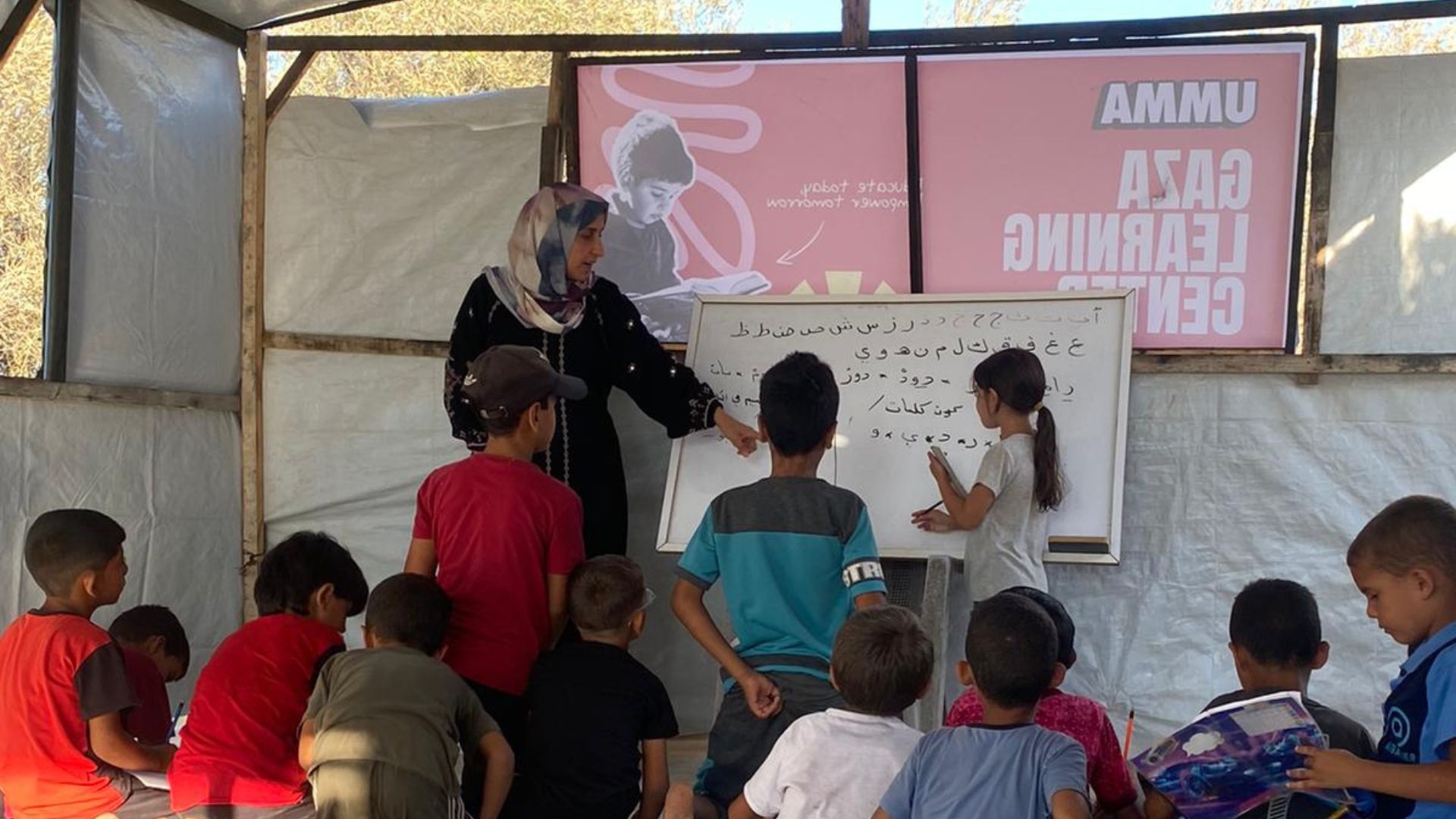
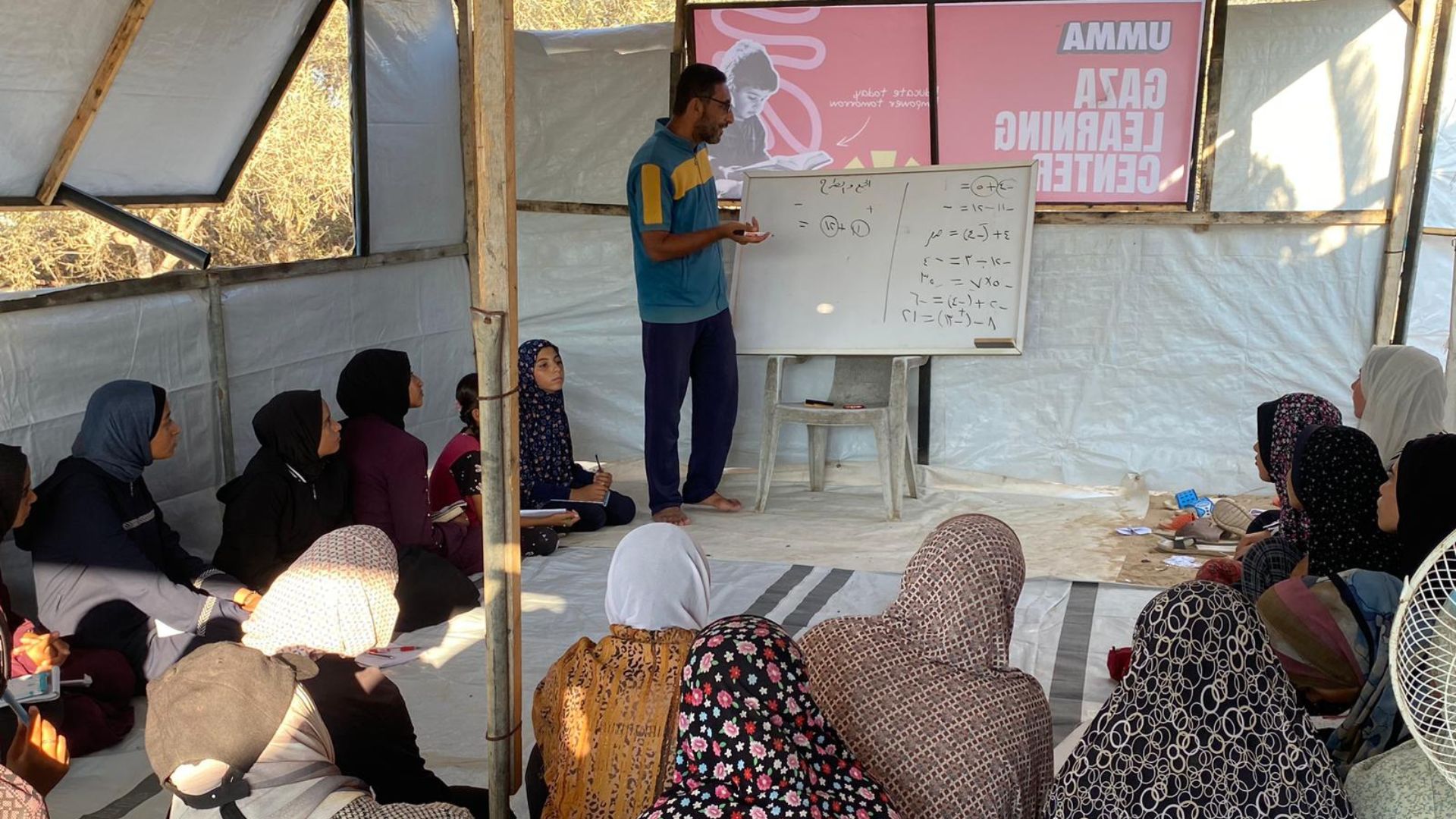
- Community-based learning spaces in emergency settings
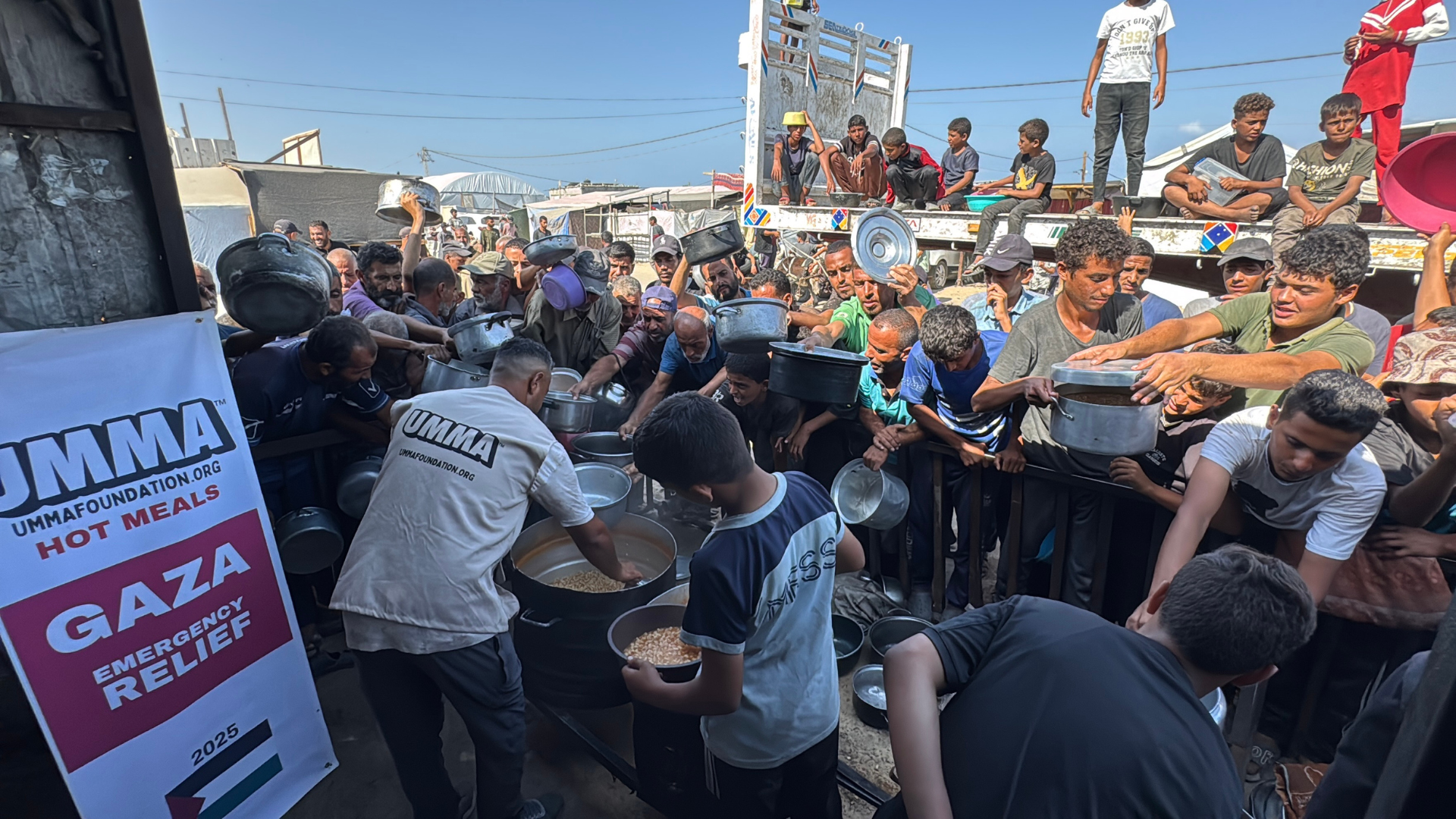
- Child-safe environments linked to nutrition and care
- Education programs that respect faith and culture
In displacement-affected communities, Umma-supported learning spaces provide not just lessons—but structure, safety, and supervision.
Parents consistently report improvements in children’s emotional wellbeing once education resumes, even in temporary shelters.
Why Child Protection in Emergencies Must Be a Priority
Humanitarian aid often prioritizes food, water, and shelter—and rightly so. But without education, protection efforts remain incomplete.
According to UNESCO, early restoration of education reduces:
- Child exploitation
- Forced labor
- Long-term poverty
- Intergenerational trauma
Education is not something that comes after survival.
It is a core part of survival.
How You Can Help Protect Children in Crisis
You can help turn emergency response into long-term protection for children affected by conflict and displacement.
Here’s how you can make an impact today:
👉 Support ongoing humanitarian efforts
Donate or learn more about the relief work Umma Foundation is carrying out across the world, including education, food aid, medical support, and emergency response:
🔗 https://www.ummafoundation.org/ (Main Take Action / Give page — redirects donors to actions like donations & support) ummafoundation.org
👉 Give Monthly to sustain child protection & education programs
Join Umma’s monthly giving program to provide consistent, reliable funding that keeps learning spaces open and psychosocial support programs active for children in crisis:
🔗 https://www.ummafoundation.org/give-monthly (Monthly giving page) ummafoundation.org
👉 Explore Umma’s financial transparency & accountability
Understand exactly how your donation is used, access annual reports, and see Umma Foundation’s commitment to responsible stewardship:
🔗 https://www.ummafoundation.org/disclosure/financial-disclosure (Financial Disclosure page) ummafoundation.org
Your support helps ensure that children affected by conflict are seen, protected, and given a future filled with learning, safety, and opportunity.
Frequently Asked Questions
How does education protect children during emergencies?
Education provides safe spaces, adult supervision, routine, and psychosocial support—reducing risks of exploitation and long-term trauma.
What is UNICEF emergency education?
UNICEF emergency education focuses on restoring learning during crises through temporary schools, trained educators, and child protection services.
Can psychosocial support help children in conflict zones?
Yes. UNICEF and Save the Children confirm that psychosocial support significantly improves emotional resilience and recovery.
Conclusion: When Schools Fall, Protection Must Rise
When schools collapse, children lose more than classrooms—they lose safety.
But when education is restored, children begin to heal.
Through faith-driven ethics, transparency, and local partnerships, Umma Foundation continues to protect children where education has broken down—and hope must rise.
Together, we can ensure no child is left unprotected simply because their school disappeared.