Many Muslims want to give sincerely.
They want their wealth to be purified, their obligations fulfilled, and their charity accepted by Allah.
But one question comes up every year—especially during Ramadan, tax season, or when someone begins giving more intentionally:
What is the difference between Khums and Zakat?
Both are forms of Islamic giving. Both reflect responsibility, justice, and care for others. But they are not the same—and understanding the Khums and Zakat difference helps Muslims give correctly, confidently, and with greater impact.
In this 2026 guide, we’ll explain Khums vs Zakat in clear terms, rooted in Islamic principles and connected to the real humanitarian needs facing the Ummah today.
Why Understanding the Khums and Zakat Difference Matters
Islamic giving is not only about generosity—it is about worship.
When Muslims give Zakat or Khums, they are:
- fulfilling a financial obligation
- purifying their wealth
- supporting the vulnerable
- strengthening the Ummah
- seeking closeness to Allah
But confusion between the two can lead to:
- giving incorrectly
- misunderstanding eligibility
- uncertainty about religious duty
- missed opportunities for impact
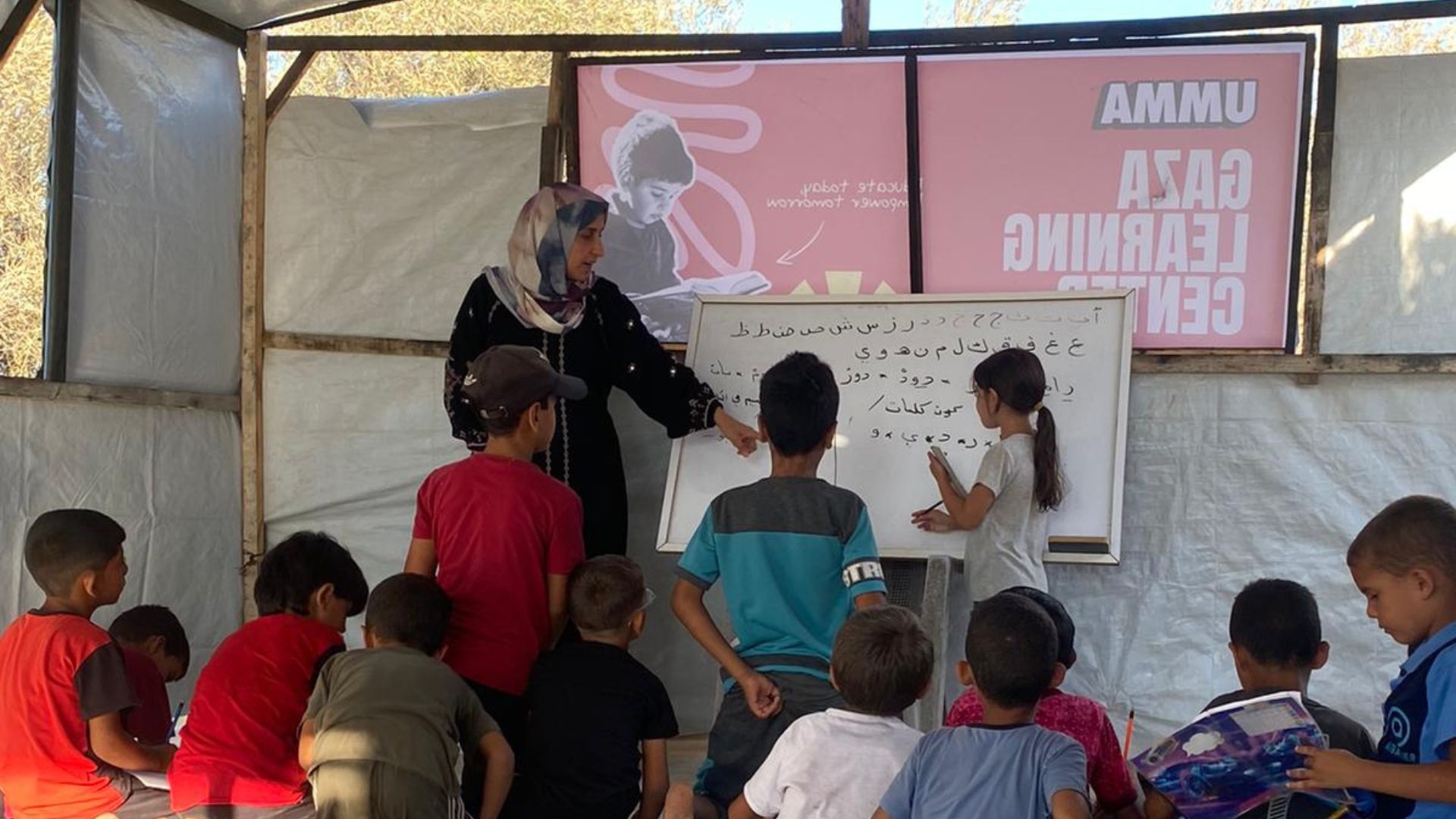
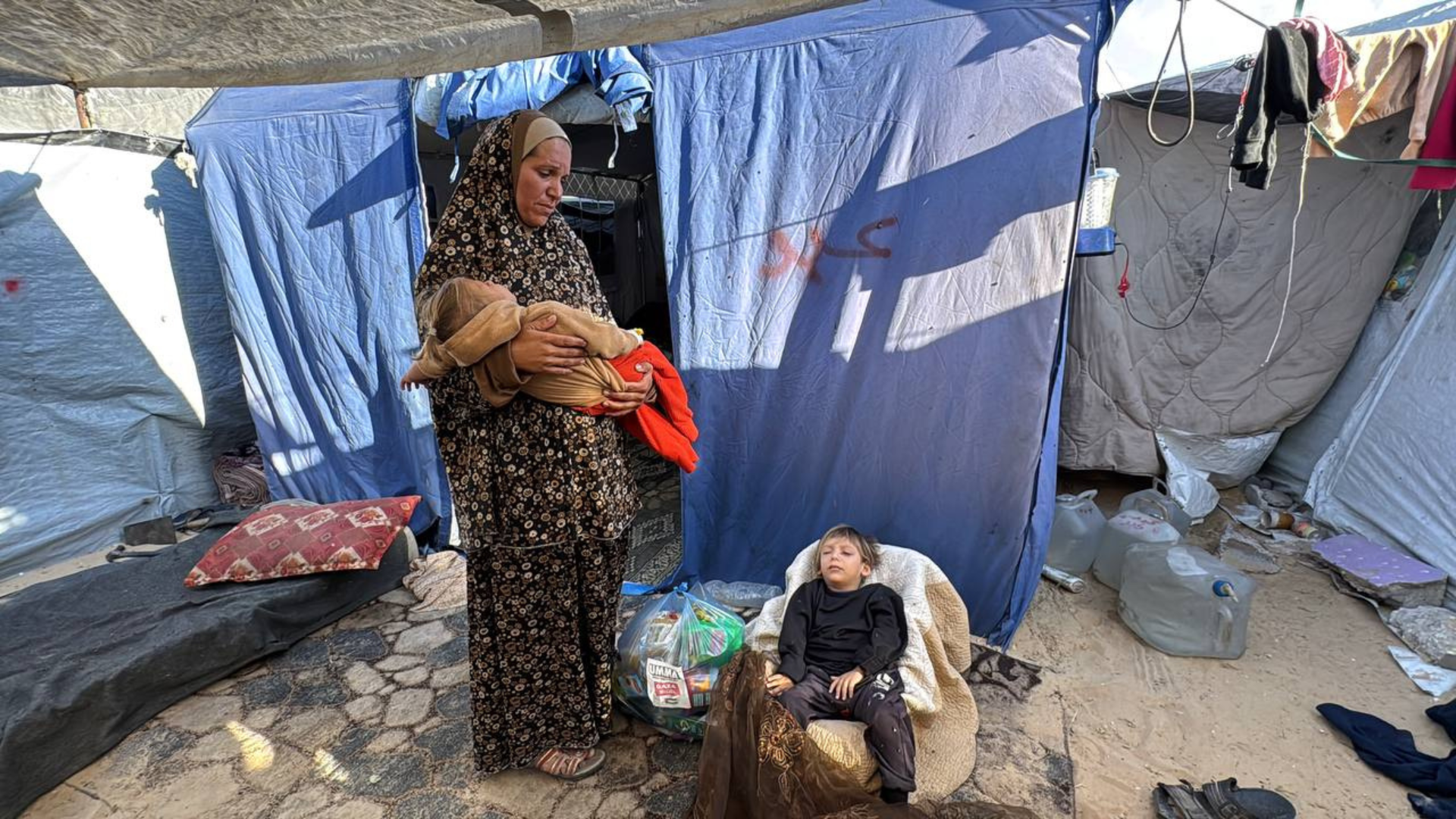
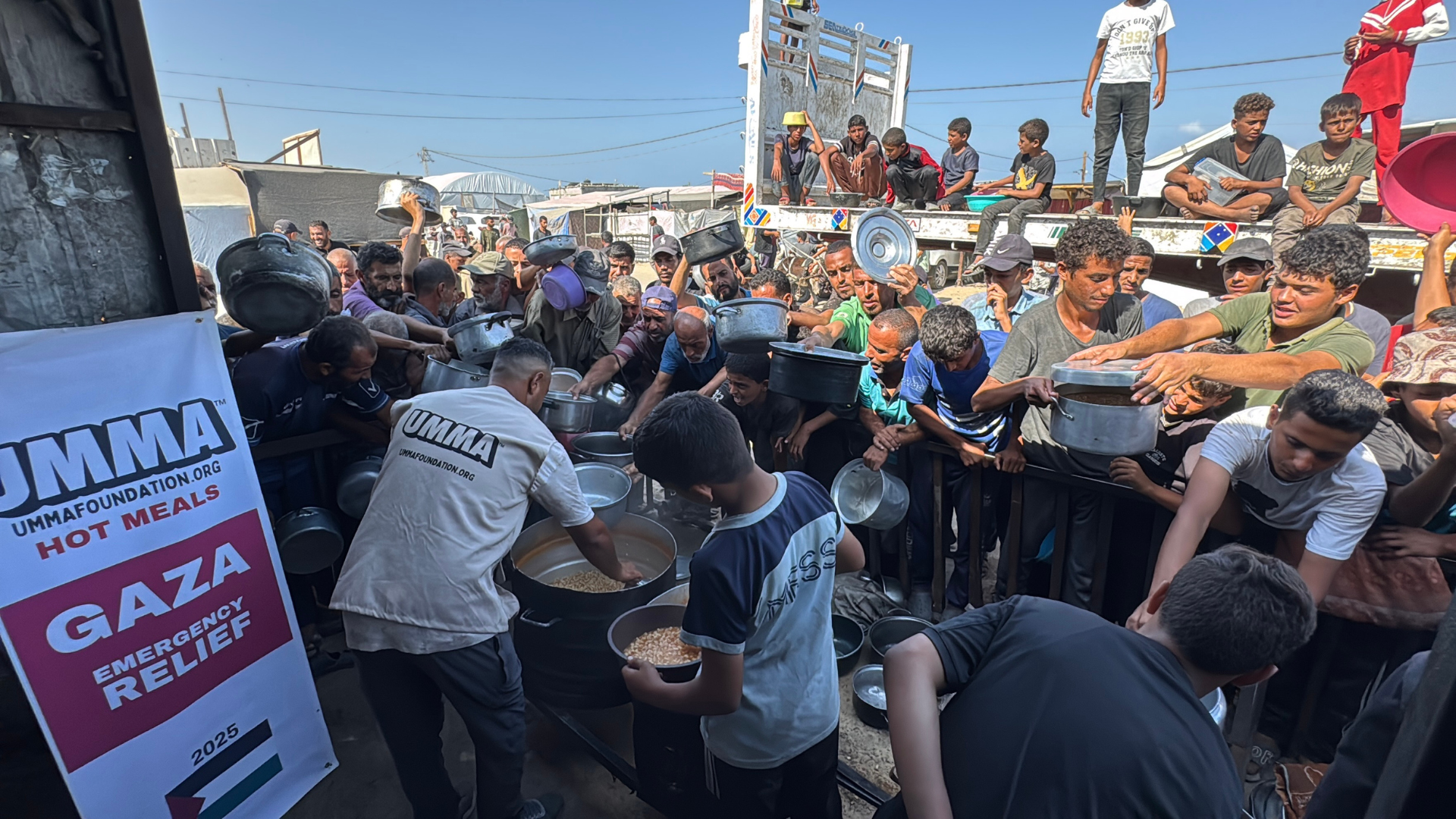
In a world where crises are growing—Gaza, Sudan, Yemen, displacement, hunger—faith-based giving must be both sincere and informed.
What Is Zakat? (A Pillar of Islam)
Zakat is one of the five pillars of Islam.
It is an obligatory annual payment on certain types of wealth, meant to support specific categories of people.
The word “Zakat” comes from meanings of:
- purification
- growth
- blessing
Zakat is not optional charity. It is a duty.
Who Must Pay Zakat?
Zakat becomes obligatory when a Muslim:
- owns wealth above the nisab threshold
- has held that wealth for one lunar year
- meets the conditions for Zakatable assets
What Does Zakat Support?
The Qur’an defines the eligible recipients of Zakat in Surah At-Tawbah (9:60), including:
- the poor
- the needy
- those in debt
- travelers in hardship
- those working to distribute it
Zakat is designed to build a more just society where basic dignity is protected.
What Is Khums? (An Obligation on Specific Wealth)
Khums literally means “one-fifth.”
It refers to an obligation of giving 20% on certain types of income or wealth, depending on Islamic interpretation and jurisprudence.
Khums is rooted in the Qur’an:
“And know that whatever you gain, a fifth of it is for Allah…”
(Surah Al-Anfal 8:41)
Khums is most commonly discussed in relation to:
- surplus income
- certain forms of gain
- spoils of war historically
- wealth beyond yearly needs
Who Pays Khums?
Khums is practiced primarily in Shi’a jurisprudence and interpreted differently across schools.
Because Umma Foundation serves a broad Muslim audience, it is important to approach this topic respectfully:
- Zakat is universally agreed upon
- Khums has scholarly differences in application
The key is clarity—not division.
Khums vs Zakat: The Key Differences (2026 Breakdown)
To understand the Khums and Zakat difference, it helps to compare them directly.
1. Zakat Is a Pillar — Khums Is a Separate Obligation
- Zakat is one of Islam’s five pillars, universally obligatory.
- Khums is an obligation on certain wealth categories, with differing scholarly application.
2. Zakat Is Usually 2.5% — Khums Is 20%
- Zakat is commonly 2.5% on savings, gold, trade goods, etc.
- Khums is traditionally one-fifth on applicable surplus or gain.
3. Zakat Has Defined Recipients
Zakat recipients are clearly outlined in Qur’an 9:60.
Khums distribution varies depending on jurisprudence and scholarly authority.
4. Zakat Supports Broad Social Welfare
Zakat is designed to uplift:
- the poor
- the hungry
- the displaced
- those burdened by hardship
Khums may be directed toward religious leadership structures and community needs, depending on interpretation.
5. Both Are About Purification and Justice
Despite differences, both reflect:
- wealth as a trust
- responsibility toward others
- spiritual accountability
When Do Muslims Pay Zakat vs Khums?
Zakat Timing
Zakat is typically paid:
- once per lunar year
- during Ramadan for extra reward
- when wealth meets nisab
Khums Timing
Khums may apply:
- at the end of one’s financial year
- when surplus income remains beyond needs
- based on scholarly guidance
If unsure, Muslims should consult a qualified scholar for personal rulings.
Why Faith-Based Giving Matters More Than Ever in 2026
The humanitarian reality today is overwhelming:
- millions displaced
- hunger emergencies rising
- children without healthcare
- communities without clean water
According to UNHCR, forced displacement continues at historic highs.
https://www.unhcr.org/
According to WFP, hunger is driven by conflict, inflation, and blocked access.
https://www.wfp.org/
OCHA continues to coordinate emergency response across major crises.
https://www.unocha.org/
This is why Islamic giving is not theoretical—it is lifesaving.
Zakat is one of the most powerful tools Muslims have to respond with dignity and mercy.
How Umma Foundation Helps Deliver Zakat With Trust
At Umma Foundation, Zakat is treated as an amanah.
We prioritize:
- eligible distribution
- transparency and accountability
- urgent humanitarian response
- faith-centered ethics
You can learn more through our disclosure practices here:
📖 Financial Disclosure
https://www.ummafoundation.org/disclosure/financial-disclosure
Our work supports families facing:
- hunger
- displacement
- emergency medical need
- crisis survival
👉 Explore Umma’s active humanitarian campaigns:
https://www.ummafoundation.org
How You Can Give With Confidence
If you want your giving to be correct and impactful:
- learn the rulings
- understand the difference
- choose transparent organizations
- support urgent needs
- give consistently
🤝 Give Monthly to sustain life-saving aid:
https://www.ummafoundation.org/?form=FUNLFLEDLRD
Monthly giving is especially powerful because crises do not end after Ramadan.
FAQ: Khums and Zakat Difference (People Also Ask)
What is the difference between Khums and Zakat?
Zakat is a pillar of Islam and is usually 2.5% on wealth, while Khums is one-fifth on certain gains or surplus, applied differently depending on jurisprudence.
Do Sunni Muslims pay Khums?
Zakat is universally obligatory. Khums is interpreted differently among schools, and Muslims should consult scholars for guidance.
Can Khums replace Zakat?
No. Zakat is a separate pillar and cannot be replaced by other forms of giving.
Who can receive Zakat?
The Qur’an defines eligible recipients in Surah At-Tawbah 9:60, including the poor, needy, and those in hardship.
Conclusion: Giving That Purifies and Protects
Understanding the Khums vs Zakat difference is not about complexity.
It is about sincerity.
When Muslims give correctly, they:
- purify their wealth
- fulfill their obligations
- strengthen the Ummah
- bring relief to the vulnerable
In 2026, faith-based giving remains one of the most powerful forces for mercy in the world.
Ready to give with trust and impact?
👉 Support Umma’s humanitarian campaigns
https://www.ummafoundation.org/
🤝 Give Monthly
https://www.ummafoundation.org/?form=FUNLFLEDLRD
📖 Read our Financial Disclosure
https://www.ummafoundation.org/disclosure/financial-disclosure