In humanitarian crises worldwide, water is often the first system to collapse — and the last to be restored. Bombed pipelines, fuel shortages, polluted wells, and mass displacement turn conflict zones into epicenters of disease and dehydration. While headlines focus on airstrikes or political negotiations, the humanitarian water crisis remains a hidden emergency that shapes every other aspect of survival.
According to the UN Office for the Coordination of Humanitarian Affairs (OCHA), over 300 million people require humanitarian assistance this year — and water scarcity is a major driver of this surge.
🔗 https://gho.unocha.org/
This is the silent emergency beneath every conflict, and its impacts stretch far beyond thirst.
Water: The First System to Collapse in Conflict Zones
War destroys water infrastructure in minutes — but the consequences last for generations.
Pipelines rupture. Water treatment plants shut down. Fuel for pumping runs out. Sewage networks overflow. Disease spreads.
According to UNICEF, children living in conflict zones are twice as likely to lack access to safe drinking water compared to children in peaceful regions.
🔗 https://www.unicef.org/wash
When water systems collapse:
- Families turn to contaminated sources, increasing disease risk
- Hospitals cannot operate without clean water
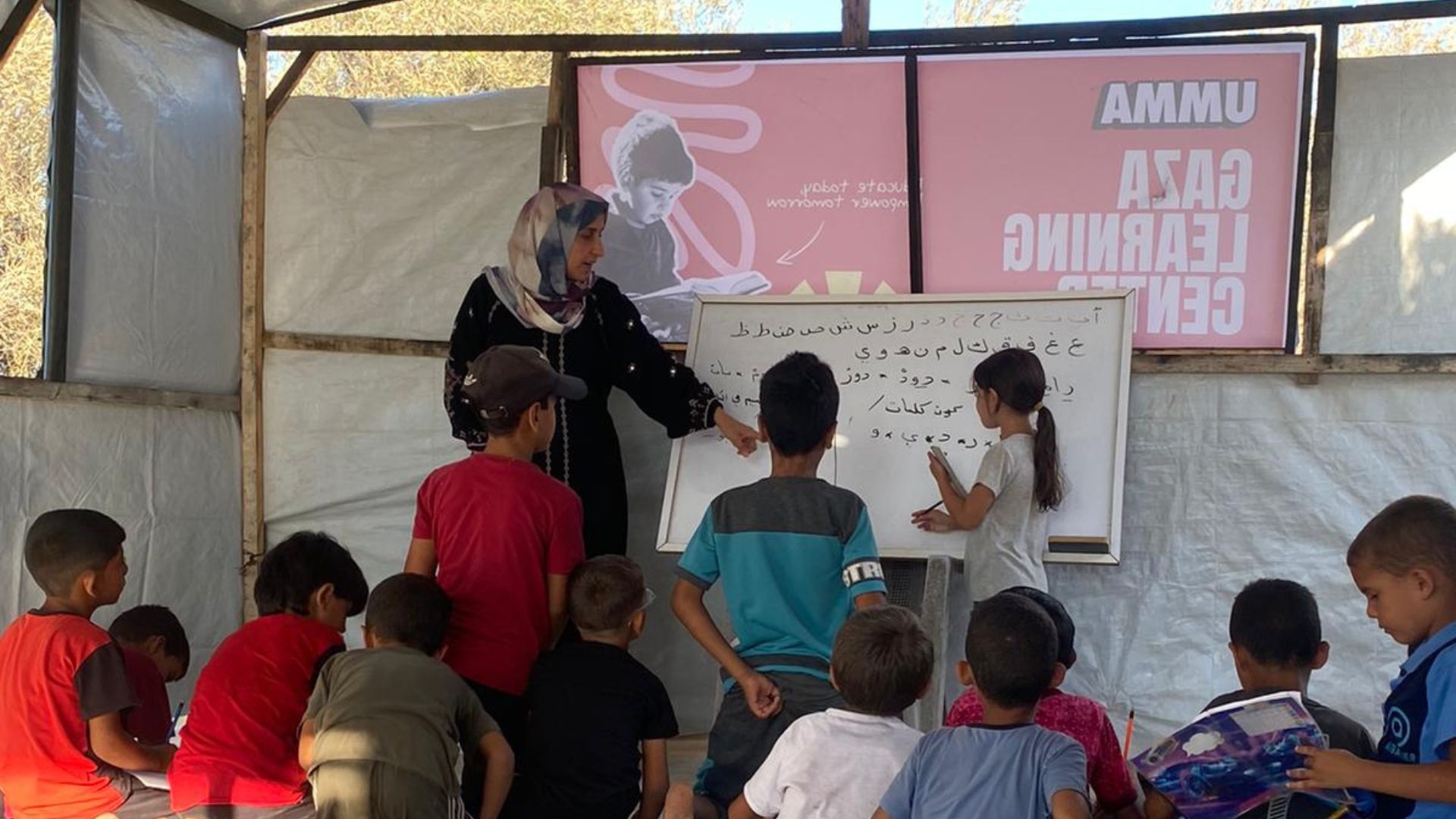
- Schools close due to lack of sanitation
- Women and girls walk further distances to collect water
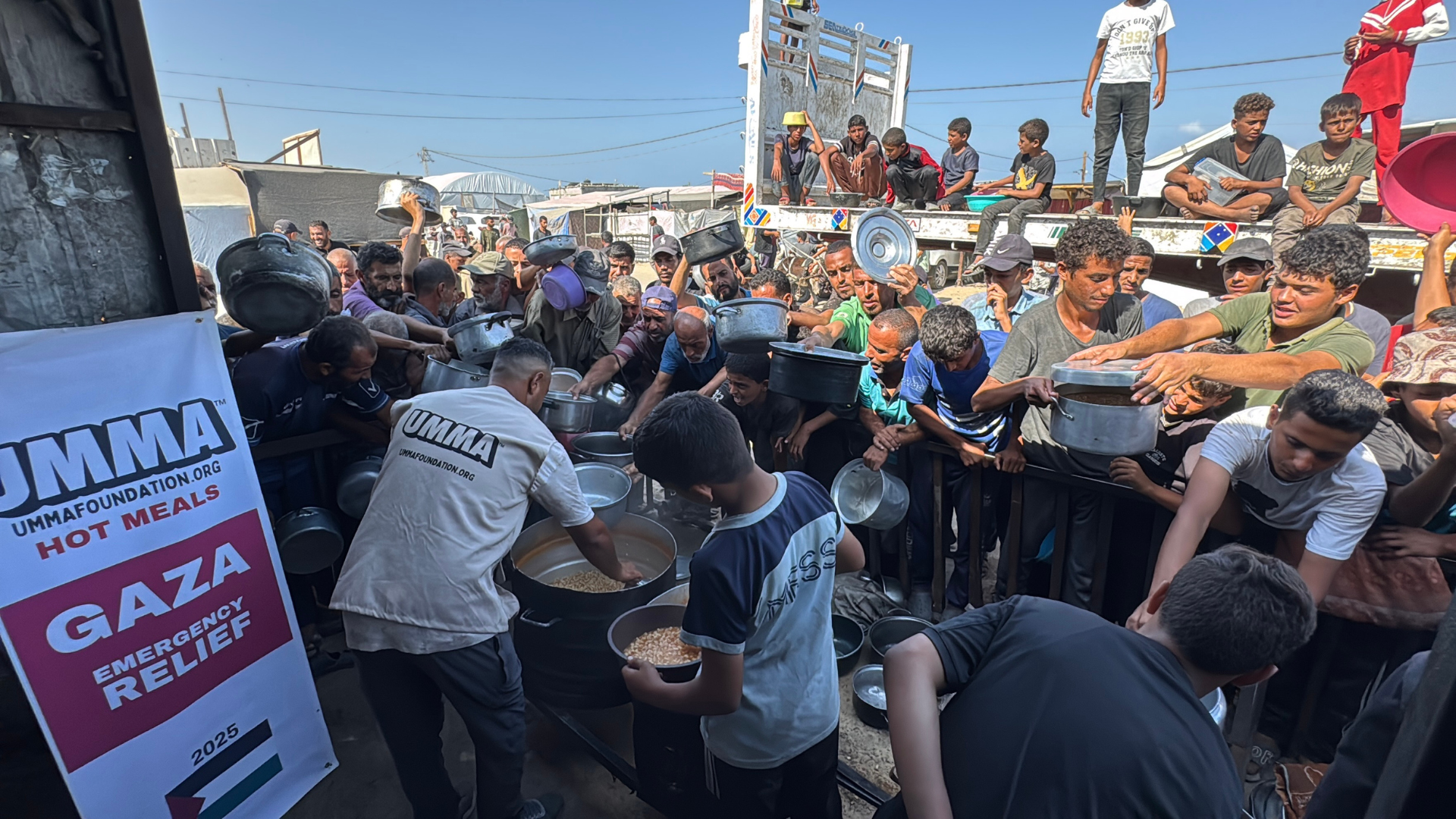
- Malnutrition worsens because food cannot be prepared safely
Water insecurity becomes a multiplier of every humanitarian crisis.
Disease Outbreaks: The Silent Killers of Water Scarcity
A lack of clean water doesn’t only cause thirst — it opens the door to deadly disease.
The World Health Organization (WHO) highlights that nearly 50% of deaths in conflict settings are linked to unsafe water, poor sanitation, and inadequate hygiene.
🔗 https://www.who.int/health-topics/water-sanitation-and-hygiene-wash
Common outbreaks in WASH crisis zones:
- Cholera
- Diarrheal illness
- Hepatitis
- Typhoid
- Skin infections
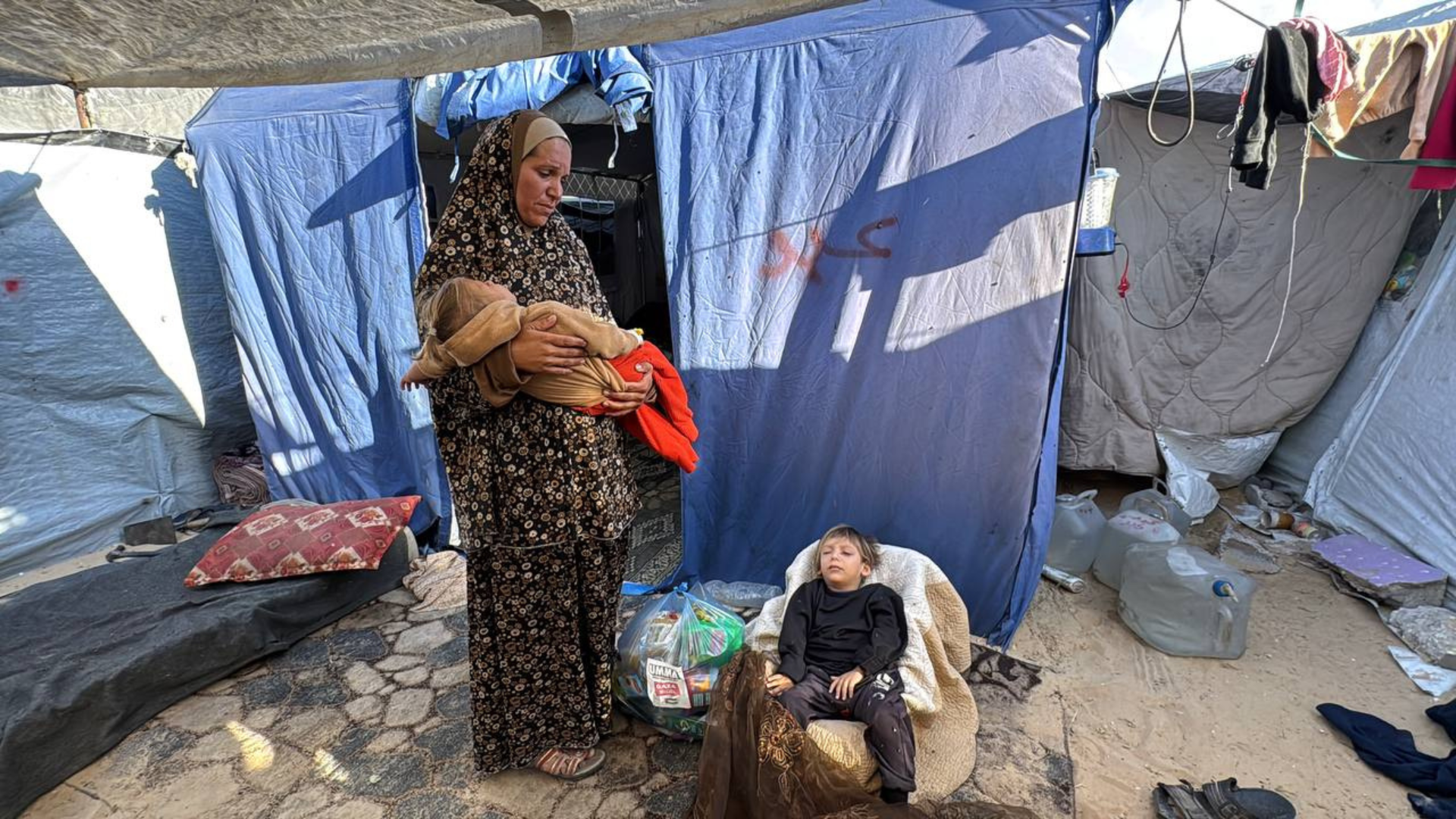
These diseases spread rapidly in overcrowded camps where one broken pipe can infect thousands.
In many conflict zones, a child is more likely to die from waterborne disease than from direct violence.
The Humanitarian Water Crisis in Numbers (2025)
The global statistics reveal a staggering reality:
- 2.2 billion people lack safely managed drinking water (UNICEF)
- 63 million refugees and displaced people rely on emergency WASH services (UNHCR)
- 222 million children lack basic sanitation in learning environments (UNESCO)
- 4 out of 5 people without safe water live in fragile or conflict-affected nations (World Bank)
The New Humanitarian confirms that water scarcity is intensifying humanitarian needs in almost all major conflict zones in 2025.
🔗 https://www.thenewhumanitarian.org/
The crisis is global, growing, and grossly underfunded.
Conflict Hotspots Facing Extreme Water Emergencies
Gaza
UNICEF reports that 97% of Gaza’s water is unfit for human consumption due to infrastructure destruction and fuel shortages.
🔗 https://www.unicef.org/press-releases
Sudan (Darfur)
Intense fighting combined with drought has dried up local water points, forcing families to walk hours to find water.
Yemen
Years of war have crippled Yemen’s water network, leaving millions dependent on humanitarian trucking.
Somalia & Horn of Africa
Drought cycles followed by severe floods destroy already weak water systems, displacing entire communities.
The pattern is consistent: conflict destroys water; destroyed water destroys lives.
How WASH Failures Drive Displacement
Water scarcity is a major trigger for displacement — and often re-displacement.
When water sources dry up or become contaminated:
- Families flee unsafe environments
- Camps become overcrowded
- New tensions arise over access to limited water
- Livelihoods collapse (especially agriculture)
- Children fall sick, forcing families to move again
The UNHCR confirms that water scarcity is an emerging driver of internal displacement in multiple regions.
🔗 https://www.unhcr.org/what-we-do/build-better-futures/climate-change-and-displacement
This creates a cycle:
No water → illness → displacement → overcrowding → more illness.
The Gender Impact: Women and Girls Bear the Heaviest Burden
Women and girls often walk long distances to fetch water, exposing them to risks such as violence, harassment, and exhaustion.
UNICEF states:
- Women spend 200 million collective hours per day collecting water.
- Girls may miss school due to lack of proper sanitation.
🔗 https://www.unicef.org/wash/water-scarcity
When conflict merges with water scarcity, gender inequality deepens dramatically.
WASH Programs: How Humanitarian Actors Respond
Effective WASH (Water, Sanitation, and Hygiene) programs save lives instantly.
UNHCR outlines practical WASH standards in refugee settings:
🔗 https://emergency.unhcr.org/wash
Key emergency interventions include:
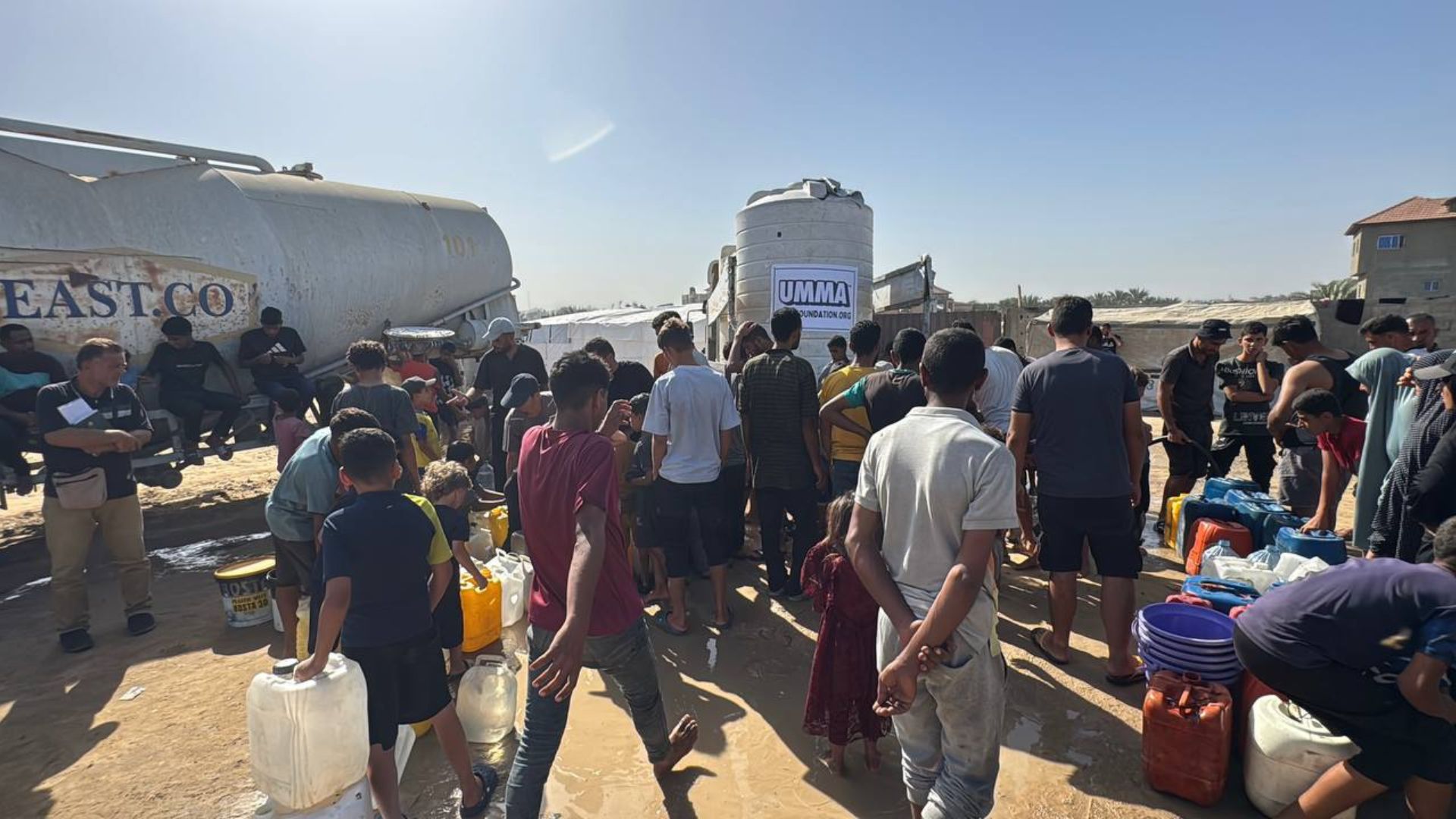
- Water trucking into affected areas
- Installation of temporary water tanks
- Chlorination and purification systems
- Borehole rehabilitation
- Hygiene kits (soap, menstrual dignity items, disinfectants)
- Latrine construction in camps
- Handwashing stations to limit disease spread
Every WASH intervention prevents outbreaks and stabilizes communities.
Faith-Based Humanitarianism: Water as a Moral Duty
In Islamic tradition, providing water is among the most honored forms of charity — a sadaqah jariyah, or continuous charity that benefits generations.
Umma Foundation operates with local partners in Gaza, Yemen, Sudan, and other crisis zones to deliver:
- Emergency water distribution
- Clean drinking water access
- Hygiene and sanitation support
- Water trucking
- Household water filters
- Community hygiene awareness programs
Support these programs:
👉 Campaigns: https://www.ummafoundation.org/campaigns/hot-meals-for-gaza-a-lifeline-in-the-midst-of-crisis
🤝 Give Monthly: https://www.ummafoundation.org/give-monthly
With transparency at the core:
📖 Financial Disclosure: https://www.ummafoundation.org/disclosure/financial-disclosure
The Future: Building Climate-Resilient Water Systems
The humanitarian sector must invest in solutions that outlive emergencies.
Long-term strategies include:
- Solar-powered water pumps
- Local community water committees
- Climate-resilient infrastructure
- Digital monitoring tools
- Cross-border water-sharing agreements
- Early warning systems for drought and contamination
The World Bank highlights how local empowerment is crucial in water-stressed conflict zones — sustainable recovery requires community-led resilience, not only aid.
🔗 https://www.worldbank.org/en/topic/waterscarcity
WASH is not just an emergency intervention — it is a pillar of long-term peace and stability.
Conclusion: Water Is Life — And Millions Are Running Out of It
The humanitarian water crisis 2025 is one of the most urgent, least visible emergencies of our time. When water systems collapse in conflict zones, communities face impossible choices: illness, displacement, or death.
Yet hope exists — through WASH programs, local leadership, and the generosity of donors who understand that water is dignity.
Your support can restore health, hope, and stability where it is needed most.
👉 Join Umma Foundation’s humanitarian campaigns
https://www.ummafoundation.org/campaigns/hot-meals-for-gaza-a-lifeline-in-the-midst-of-crisis
🤝 Become a Monthly Donor
https://www.ummafoundation.org/give-monthly
📖 View Our Impact & Transparency
https://www.ummafoundation.org/disclosure/financial-disclosure